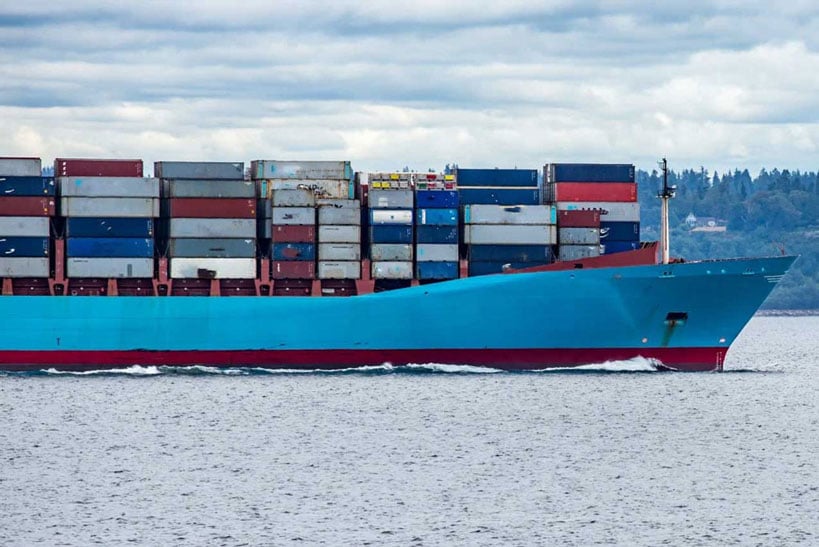
The Allianz Pulse Survey takes the temperature of European households each year on the economic, political and societal issues shaping their lives, with the 2026 edition focusing on artificial intelligence.
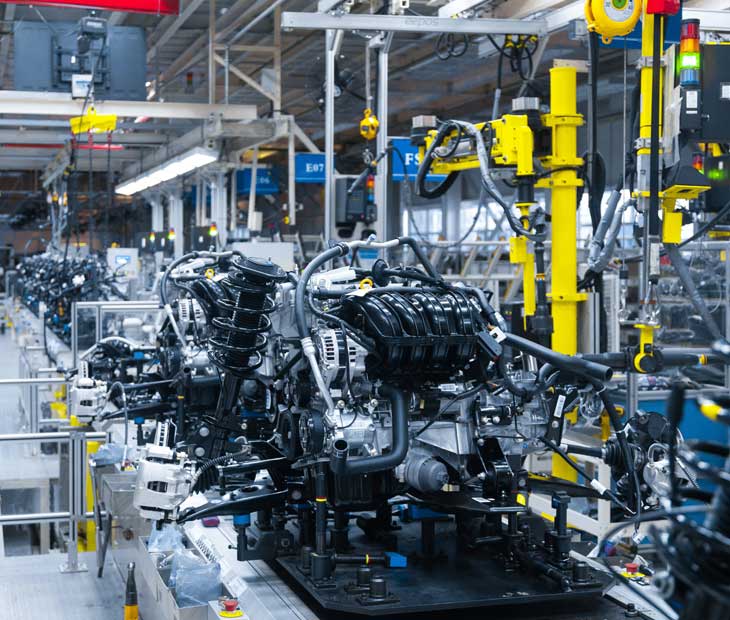
Chinese brands will dominate the Paris auto show next week. They represent 50% of exhibitors versus just 23% in 2024, a visible sign of a deeper, structural shift already reshaping the market.
Summer brought little of the calm markets had priced in before it began. Three tensions we had been tracking escalated through the season, surfacing as fresh flashpoints by early September.
The Allianz Climate Economics Report (ACE), launched at Climate Week NYC 2026, reveals that extreme weather caused €184 billion in economic losses in 2025 — down 32% from 2024 but 20% above the long-term average. Powered by ClimRad, a proprietary climate-data platform developed with Earthian AI, the report maps how climate events translate into GDP and inflation impacts across 144 economies.




.jpg)




.jpeg)