More than ever, you must take storms personally

Think about the last time a storm disrupted your life. Maybe a roof was damaged, a road cut off, or your company forced to close. Events like these are becoming more common as windstorms, cyclones, hailstorms and winter storms hit harder and more often, reshaping risks for households, communities and businesses.

Scientists warn that climate change is intensifying rainfall, storm surges and rapid storm intensification, challenging insurability and underscoring the urgency of prevention.

Global natural catastrophe losses, including storms reached US$318 billion in 2024 , of which US$137 billion were insured, leaving a protection gap of US$181 billion. In the first half of 2025 alone, insured losses already hit US$80 billion, well above historical averages. 

This rising risk has not gone unnoticed: According to the Allianz Risk Barometer, natural catastrophes rank as the third most crucial business risk globally.

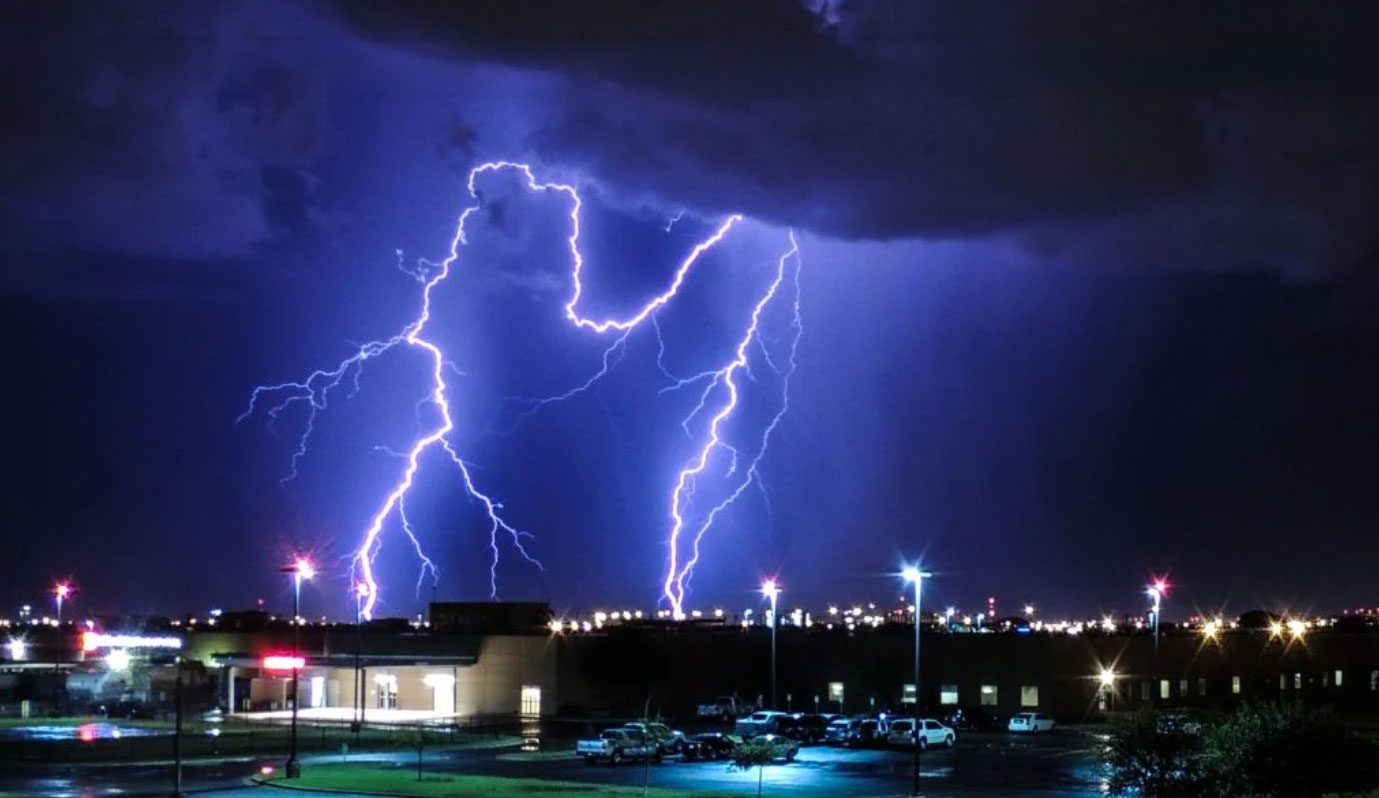
Infographic consisting of a pie chart: Insured losses, US $137 billion of US $318 billion. Protection gabp: UX $181 billion in 2024. Q1 2025: Insured losses hit US $80 billion. Background: tunderclouds
At Allianz, we see storms not only as natural phenomena but also tests of resilience. By combining prevention, preparation and recovery, we help clients safeguard what matters most: their loved ones and their assets. This page provides an overview of key Allianz resources and initiatives that can guide you through each stage of a storm’s occurrence.
Extreme storms are reshaping risks. Long-term prevention is our strongest protection

Storms are among the costliest natural catastrophes worldwide. In recent years, hurricanes in North America, cyclones in Asia, and hailstorms in Europe have each caused damage amounting to billions of USD.

Insurance provides essential protection when such a disaster strikes. But the best outcome, for customers, communities and insurers alike, is damage avoided altogether. At Allianz, prevention is not an afterthought. It’s central to helping you face the growing risks of extreme weather.

That’s why Allianz is committed to helping you identify potential risks you face to stay resilient in the face of intensifying storms. Two innovative tools are woven into this approach:

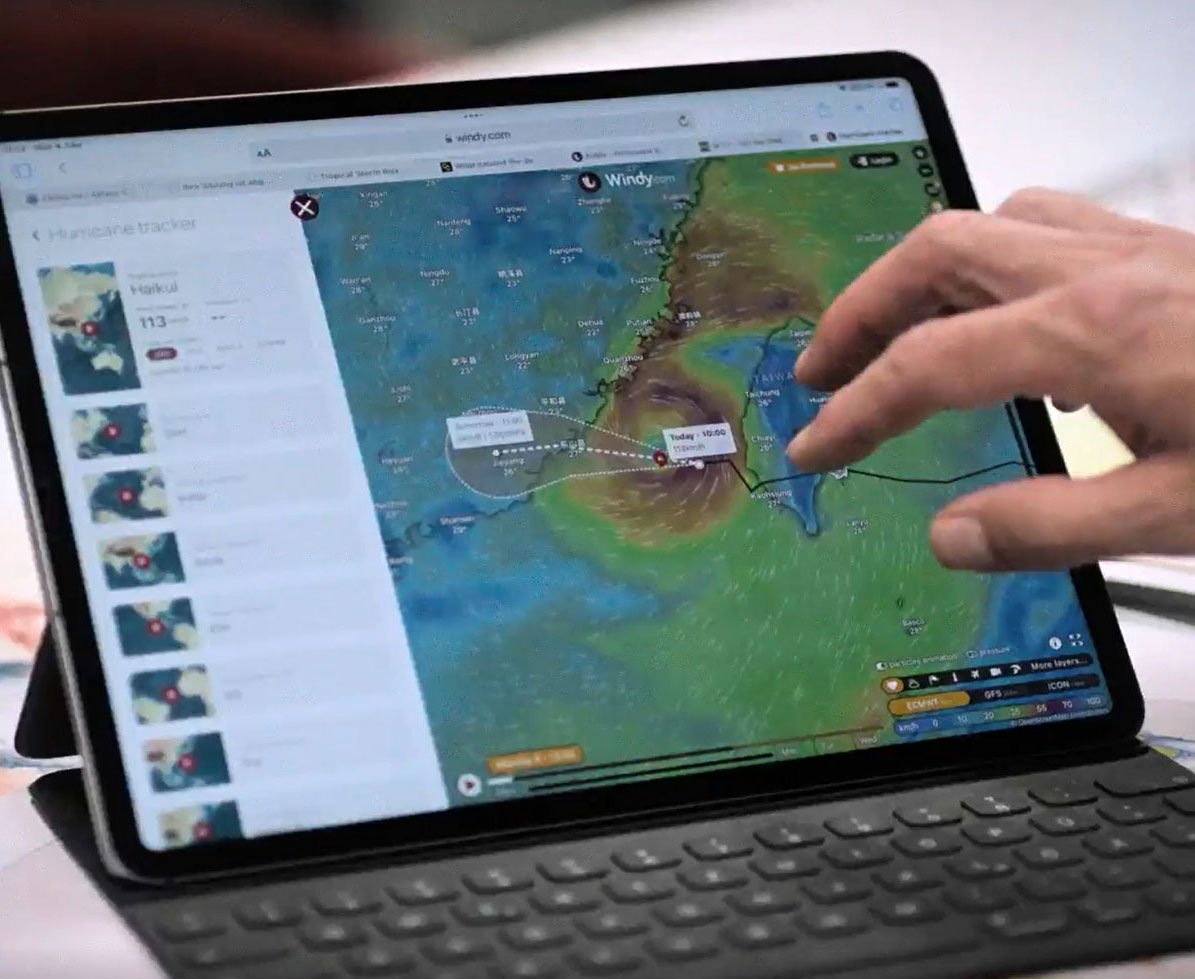
Weather radar on a monitor, with a hand pointing at it
House icon symbolizing retail customers
Our state-of-the-art online service offering that uses advanced climate data to educate on NatCat risks including storms, floods, wildfires, earthquakes, and droughts. By displaying a location-based risk score of low, medium or high, GloRiA can help you understand your risk level and learn about preventative measures in the form of checklists and explainer videos. It is currently available to customers in Germany, France, Italy, Bulgaria, and Czech Republic and being rolled out in further Allianz markets.
A building as icon symbolizing commercial customers
Our digital platform that goes beyond risk assessment to deliver tailored, practical advice. CAReS translates complex climate data into concrete recommendations, from preventive measures that safeguard critical assets to strategies that build long-term resilience for businesses and communities.

Together, these tools demonstrate Allianz’s commitment to putting prevention first, helping you prepare, adapt and stay resilient in the face of intensifying storms.

Explore the different storm classifications below to learn about the regions they strike, the kinds of damage they cause, and how Allianz can prepare and protect you.

Windstorms
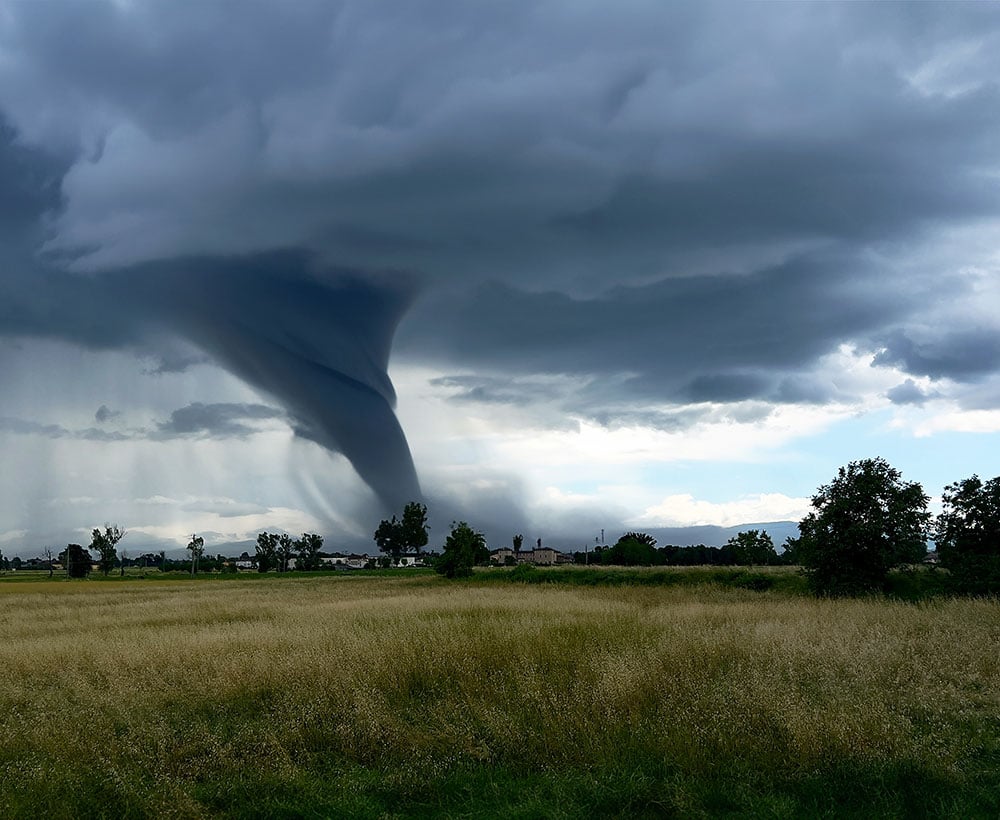
Windstorm that gathers on the horizon into a swirling dark cloud wind


What are they? 
Sudden, powerful storms driven by strong gusts that can quickly escalate into major disasters.

Where they strike: Mid and high latitude regions — Canada, entire United States, Western and Central Europe, South America, northern parts of China and Japan.

Damage examples: Roofs and power lines are especially vulnerable. When Windstorm Ciarán (aka Emir) hit northwestern Europe in November 2023, insurers recorded about €2.07 billion in losses, with France alone accounting for €1.77 billion.

Why it matters: Windstorms are among the costliest insured events in Europe and North America. Their force can be disruptive to entire economies, and their intensity is increasing as weather patterns become more volatile.

Cyclones
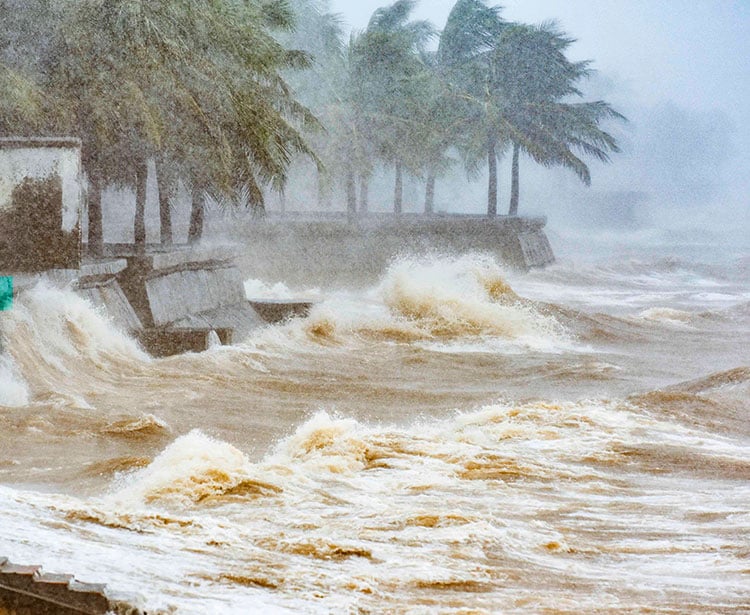
Roaring waves with rain along a coastline lined with palm trees


What are they? 
Tropical storms (called hurricanes in the Americas, typhoons in Asia) are fueled by warm oceans. They bring extreme winds, storm surges and severe flooding.

Where they strike: Tropical and subtropical regions — Southeast Asia, Indian Ocean, Bangladesh, Australia, the Caribbean, US gulf- and east coast, Latin America and Pacific islands.

Damage examples: In 2024, Cyclone Chido killed at least 34 people, injured 319 and caused €650–800 million in insured losses in Mozambique1 . That same year, Hurricanes Milton and Helene together left more than US$34 billion in damages across the Americas2 .

Why it matters: Cyclones cause some of the highest insured losses globally. Rising sea-surface temperatures are making storm seasons longer and storms themselves more intense. Beyond physical damage, such storms can displace entire communities and strain national infrastructures.

Hailstorms
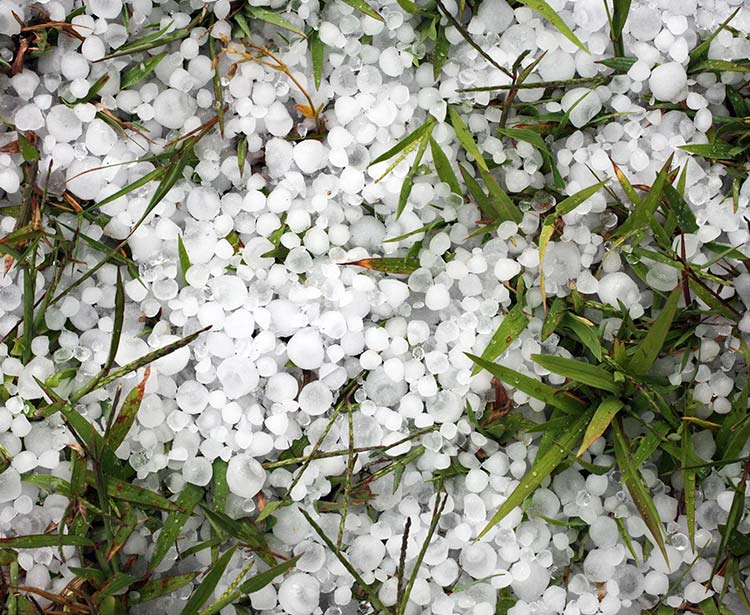
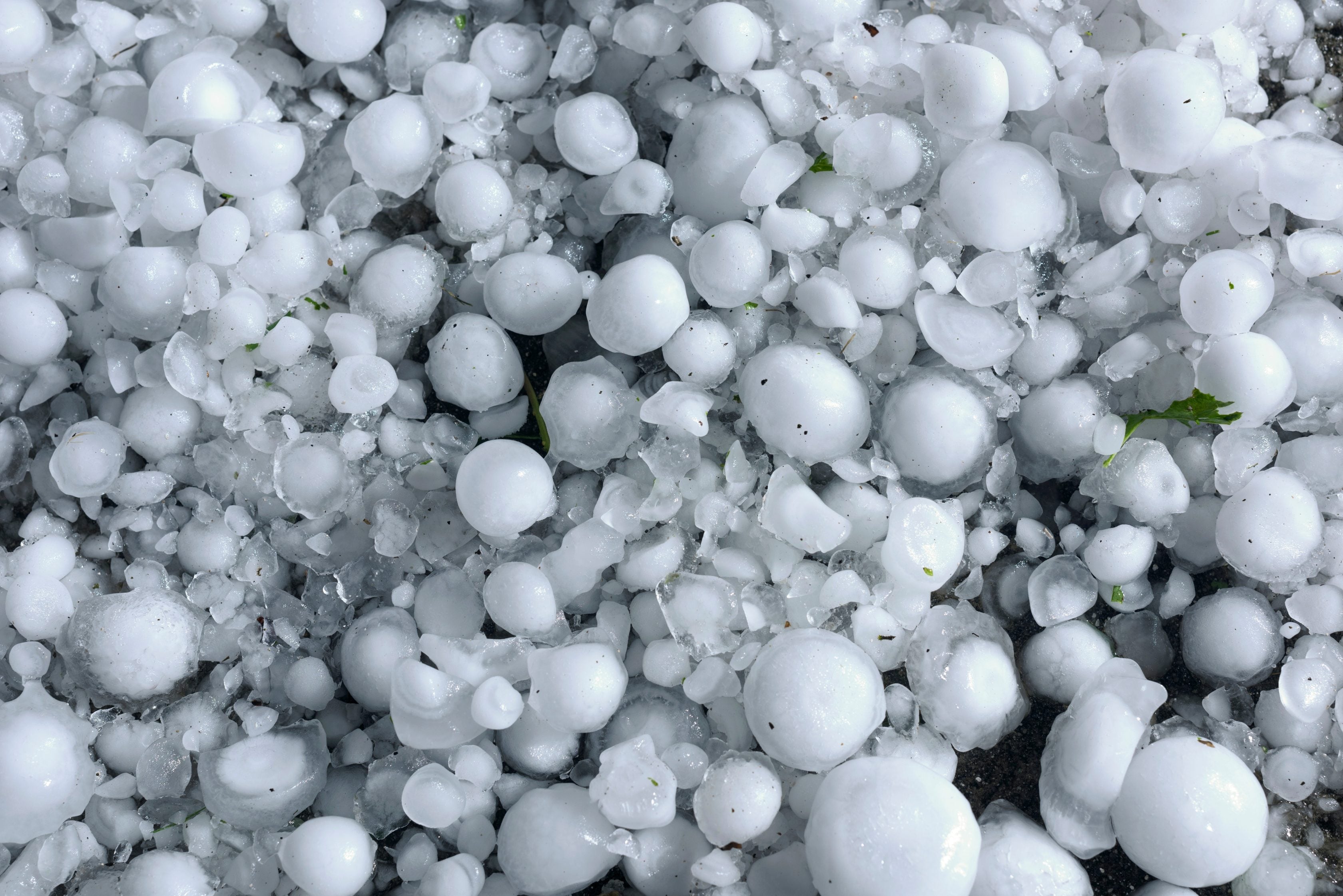
Many hailstones in the grass


What is it?
Hail forms when thunderstorm updrafts lift water above freezing levels, producing ice that falls when it becomes too heavy.

Where they strike: Subtropical and mid-latitude regions – all of Europe (mainly south and central), United States, Canada, South Africa, Asia and Australia– where hailstones can easily reach tennis-ball size.

Damage examples: In April 2025, Islamabad and Rawalpindi were struck by a hailstorm that destroyed thousands of vehicles and rooftops. Two months later, a severe hailstorm near Billings, Montana, damaged cars, campervans, crops and homes. A July hailstorm in Alberta, Canada, caused $164 million in insured damage.

Why it matters: Hail rarely makes headlines but is one of the most frequent natural perils for insurers. Damage tends to be to crops, greenhouse structures, roofs and vehicles. Losses are rising as urban areas expand into high-risk zones.

Winter Storms
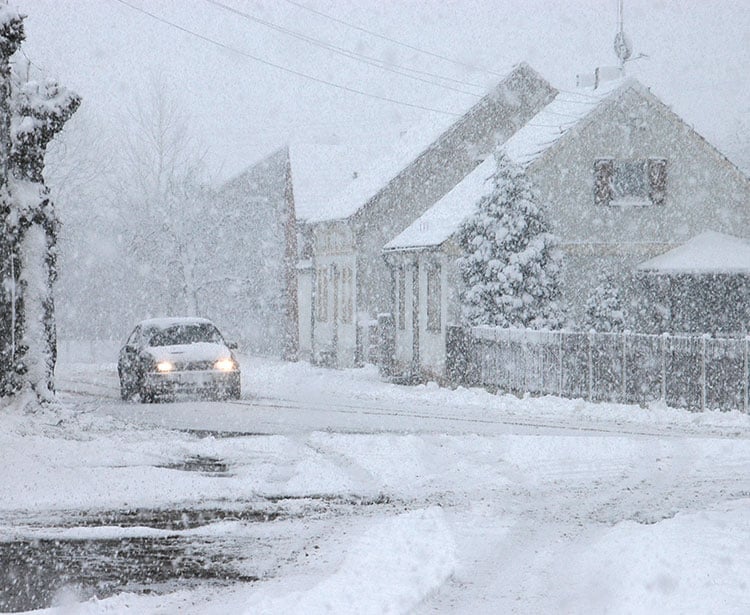
Heavily snow-covered road in a village


What are they? 
Complex systems combining freezing rain, heavy precipitation, snow and wind.

Where they strike: Mid and high latitude regions – central, eastern and northern Europe, North America, South America (Argentina, Chile), central and east Asia, where they regularly block transport, cut power and damage buildings.

Damage examples: In February 2022, a cluster of storms – Dudley, Eunice and Franklin – swept across northwestern Europe. Together they caused insured losses of more than US$4 billion, nearly double the ten-year average. Damage came not only from winds but also from snow loads on roofs, ice-covered power lines and burst pipes.

Why it matters: Winter storms are highly disruptive to transport and energy networks, and insured losses are increasing as populations and infrastructure grow more exposed.


When a storm is approaching, the hours and days before can make the difference between safety and severe loss. Being prepared is not only about having insurance in place but also about knowing the proper steps to take immediately before and during an event.

Preparation varies depending on the storm, but the principle is the same: timely action saves lives and protects assets.

Allianz Risk Consulting offers a suite of protective checklists designed to help customers prepare for storms. These guides cover actions to take before, during and after events, such as safeguarding property, protecting critical documents, maintaining infrastructure and ensuring personal safety. Click through the tabs below to explore checklists for the various storm types and access further Allianz resources.

Taking the weather personally means acting on warnings, following trusted checklists and making preparation part of everyday resilience.

Allianz is expanding the use of SMS and phone alerts to warn customers ahead of severe weather events. These services provide timely, location-specific updates so households and businesses can activate their preparations in time.

Windstorms

wind blowing around a tree icon standing for windstorms

Before a windstorm, households should:

  • Close shutters and windows.
  • Store or secure outdoor furniture, tools and other loose items.
  • Keep emergency supplies such as torches, spare batteries and drinking water ready.

Allianz Risk Consulting’s Windstorm Checklist provides further guidance to help organizations and households prepare for one of the costliest natural perils and recover after the storm has passed. By following these recommendations, customers can reduce both physical damage and financial impact.

whirlwind icon standing for cyclones

Ahead of a hurricane, typhoon or tropical storm, households should:

  • Follow evacuation orders immediately when they are issued.
  • Protect windows and doors with shutters or storm panels.
  • Charge mobile phones and other essential devices.
  • Keep documents, medicines and valuables in waterproof containers.
  • Move vehicles under cover and trim trees near the home to reduce risks.

Allianz provides regional resources such as the Australian guide Preparing for a Cylone, which sets out protective actions before, during and after a storm. It includes advice on emergency kits, insurance coverage and structural protection. Additionally, Allianz Commercial's hurricane-season outlooks provide expert risk bulletins and advice on business continuity, property protection and flood protection.

hailstorm hitting a house icon

During a hailstorm threat, households should:

  • Move vehicles under cover where possible.
  • Shield fragile surfaces such as skylights, greenhouses or garden structures.
  • Use protective covers for cars, crops and outdoor equipment when hail is forecast.

Allianz Risk Consulting's Hailstorm Checklist provides practical steps to protect property before, during and after severe hail events. It highlights:

  • Common vulnerabilities include vehicles, roofs, crops, and solar panels.
  • Preventive measures include protective coverings and impact-resistant materials.
  • Actions that reduce losses and recovery times after the storm has passed.

By following this guidance, households and businesses can strengthen their resilience against one of the most frequent yet often underestimated natural perils.

snowflake with water drop as winter storms icon

As a winter storm approaches, residents should:

  • Clear roofs and gutters of snow and debris.
  • Ensure heating systems are working reliably.
  • Insulate exposed water pipes to prevent freezing.
  • Stock up on food, water, medicine and heating fuel to stay safe and comfortable even if power and transport links are cut.

Allianz Risk Consulting’s Winter Storm guidance highlights how to prepare for one of the most disruptive seasonal hazards, which combines snow, ice, wind and freezing rain. It also emphasizes anticipating compound risks when strong winds coincide with snow and ice.

Allianz's risk advisory resources provide structured checklists and technical advice to help households and businesses strengthen their resilience long before the first flakes fall. We also link to detailed preparation guides from official agencies and organizations so that customers can access comprehensive, verified information tailored to their region.

For customers, the true test of insurance often comes in the critical moment – when disaster strikes. The claims journey is where protection becomes tangible: rapid response, clear communication and practical solutions make all the difference. 

Stories like this show what matters most: taking care of people when they need it most and ensuring customers know we will be there for them too. From this foundation, Allianz works to ensure that post-disaster recovery not only restores what was lost but also strengthens resilience against future storms.

Read more about Allianz’s initiatives below.

House icon symbolizing retail customers
Storms and other natural hazards leave behind not only damaged buildings and vehicles but also an opportunity: to rebuild in a way that strengthens resilience and reduces environmental impact. Allianz is working across its operating entities to make post-disaster recovery more sustainable – helping customers while also addressing the climate challenge that drives these risks.
A building as icon symbolizing commercial customers

Allianz Commercial has further developed its Built Back Better endorsements, which build levers into the claims process that actively support customers in improving their resilience, sustainability and long-term value after a disaster strikes.


From understanding risks to preparing wisely and rebuilding sustainably, resilience is a journey. Storms may be growing stronger and more unpredictable, but informed choices and proactive measures can protect lives, assets and communities.

The message is clear: more than ever, you must take the weather personally. By understanding risks, preparing wisely and rebuilding sustainably, Allianz helps turn that personal responsibility into shared resilience – protecting lives, assets and communities against tomorrow’s storms.

Do you have any questions or need additional support?