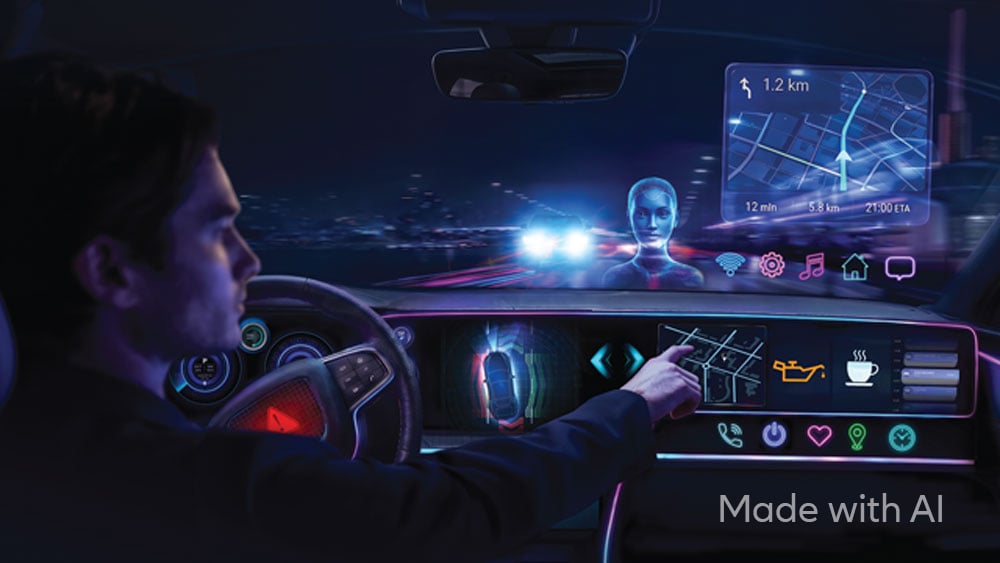
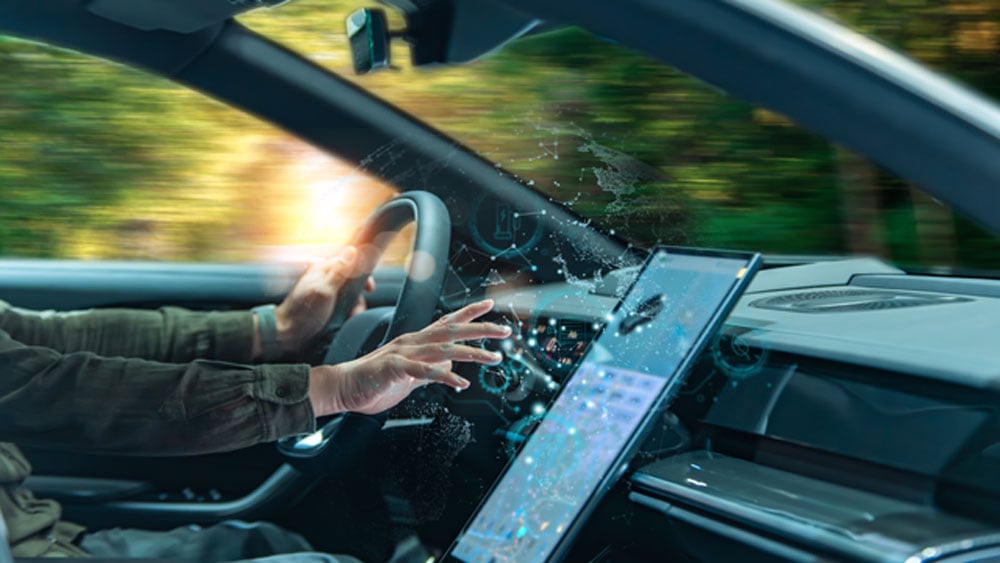
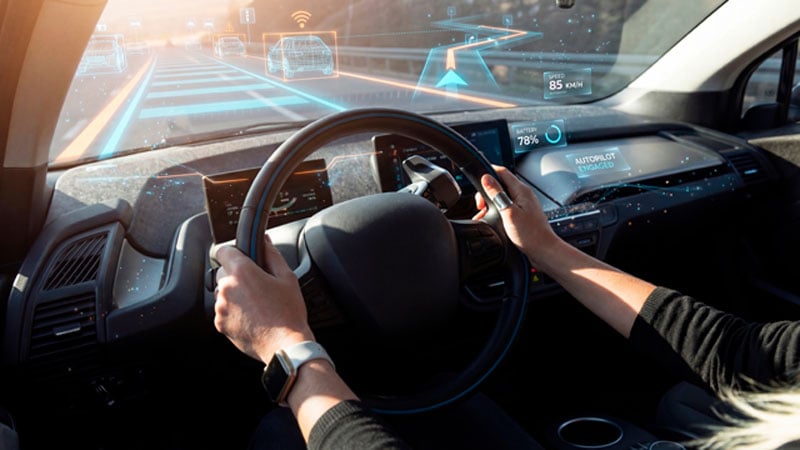
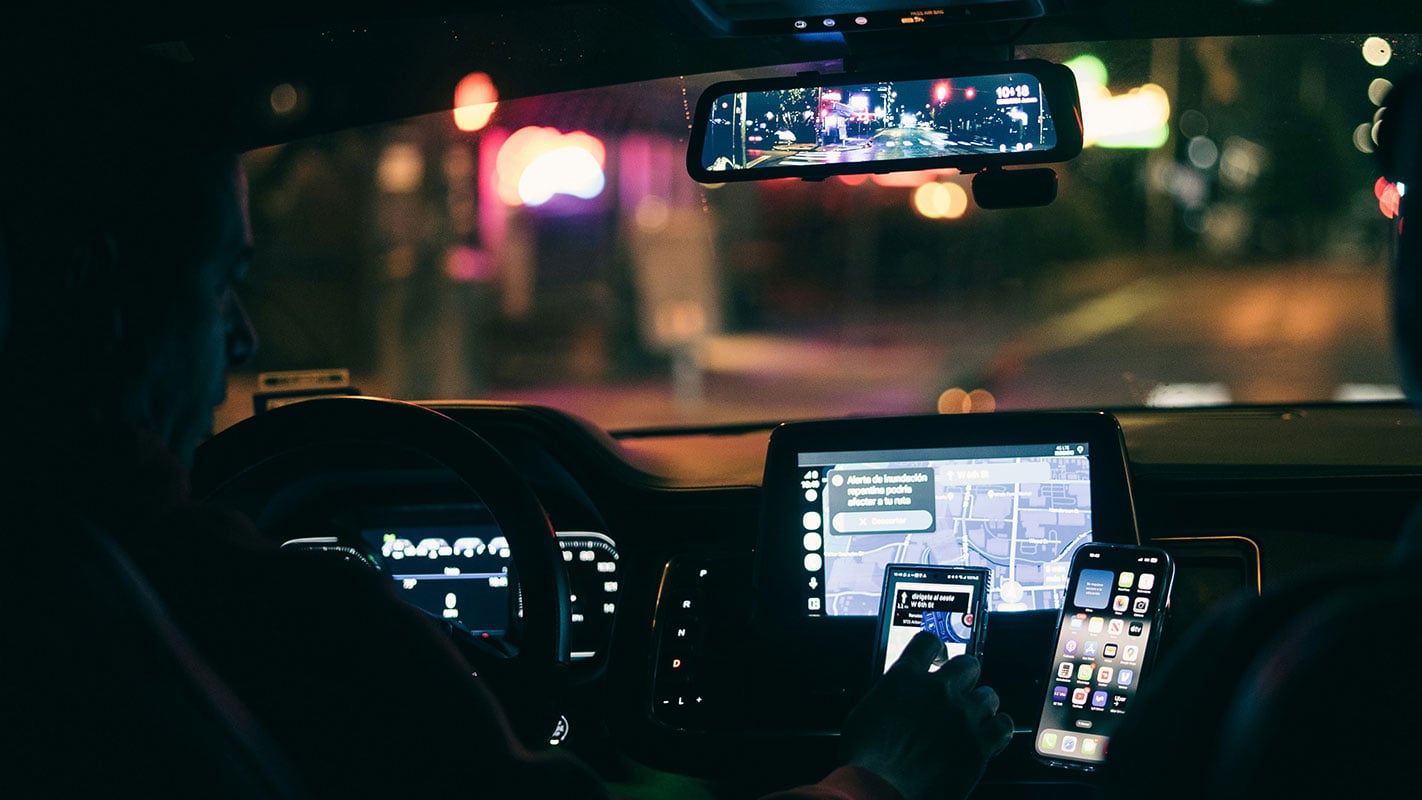
The car has always been a place of divided attention. Drivers have talked to passengers, tuned radios and glanced at maps for as long as there have been cars. What has changed is where the distraction comes from. For most of that history, it was something the driver brought into the vehicle, and today that usually means a smartphone. But a growing share of distraction is now built into the vehicle itself.
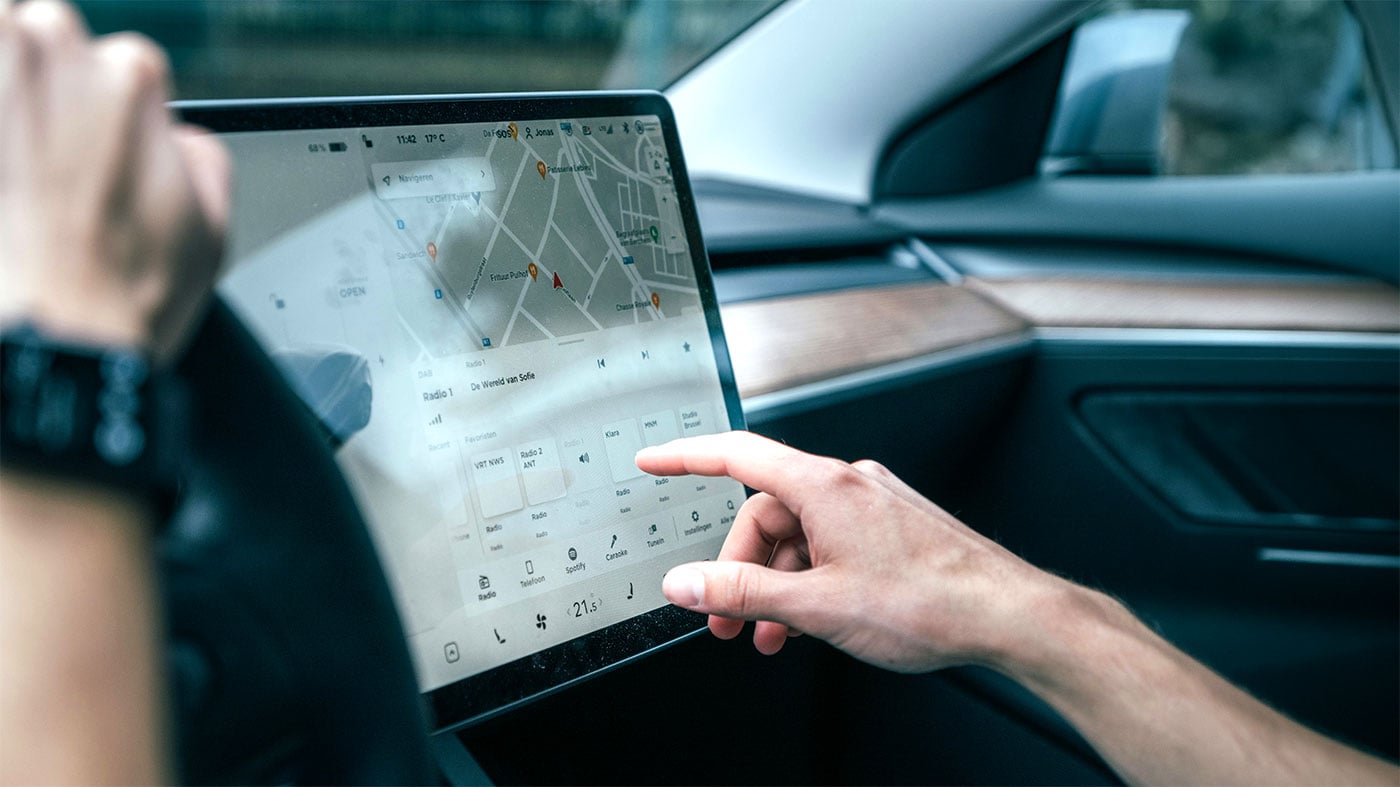
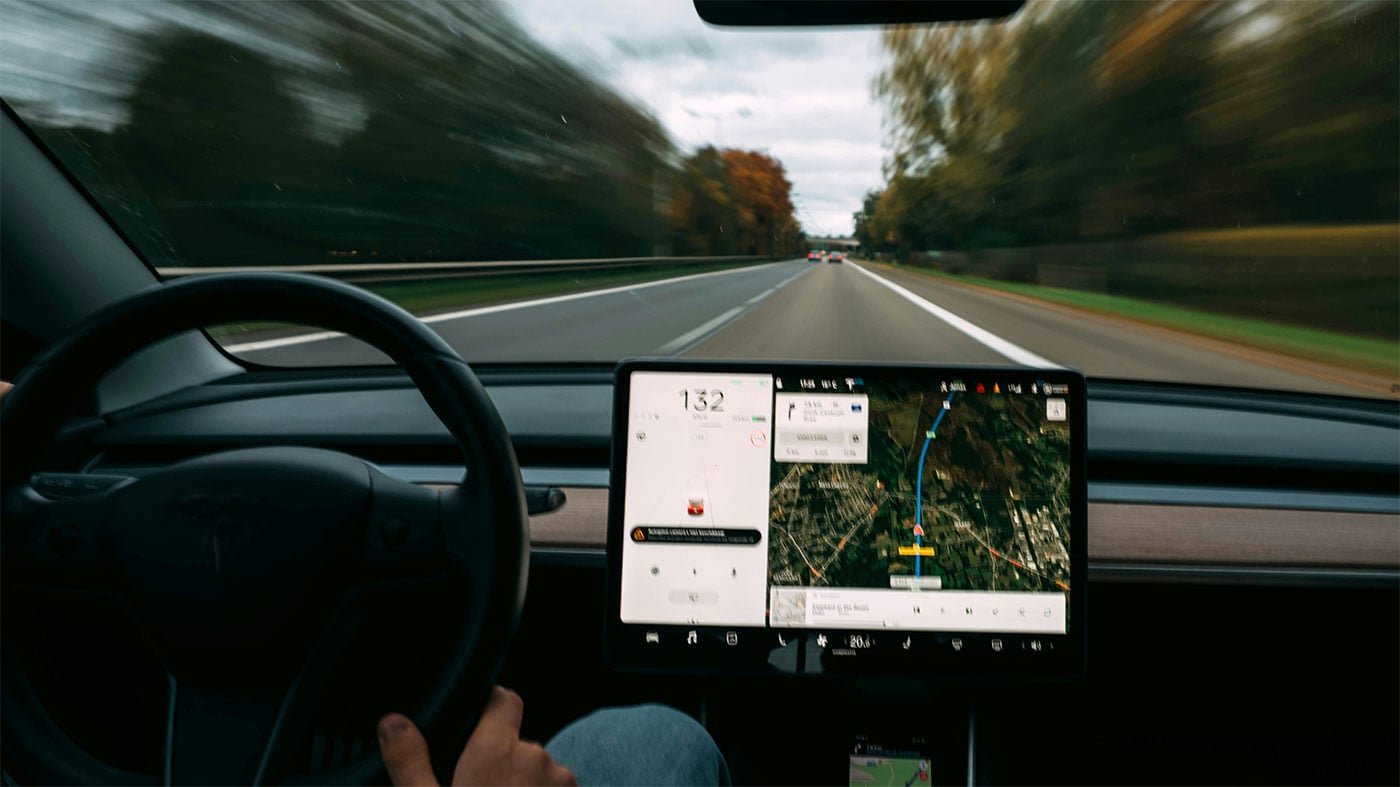
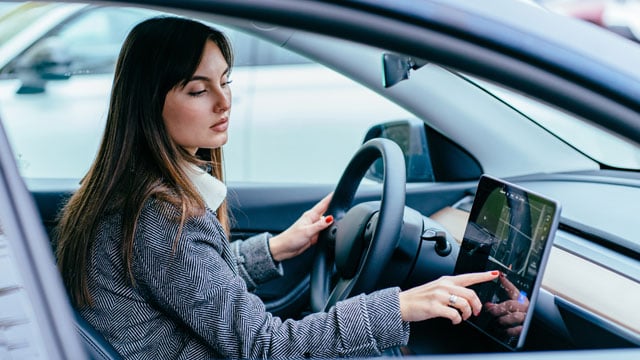
Open the door of many new cars and the first thing you see is a screen. Displays have replaced dials, buttons and switches. Functions a driver once operated by familiarity and feel — adjusting the temperature, setting the wipers, switching on the hazard lights — are increasingly routed through menus that need a look, a tap and often several of each. On a phone, that is a small inconvenience. In a car traveling at 50 kilometers an hour, three seconds spent looking at a display means covering more than 40 meters effectively blind.
This report is about that shift, and about a principle that should guide it: a car is not a smartphone. Screens have brought real benefits, from clear navigation to reversing cameras, and we have no wish to turn back the clock. But when safety is at stake, function must come before design. A control a driver cannot find without looking is a control in the wrong place.