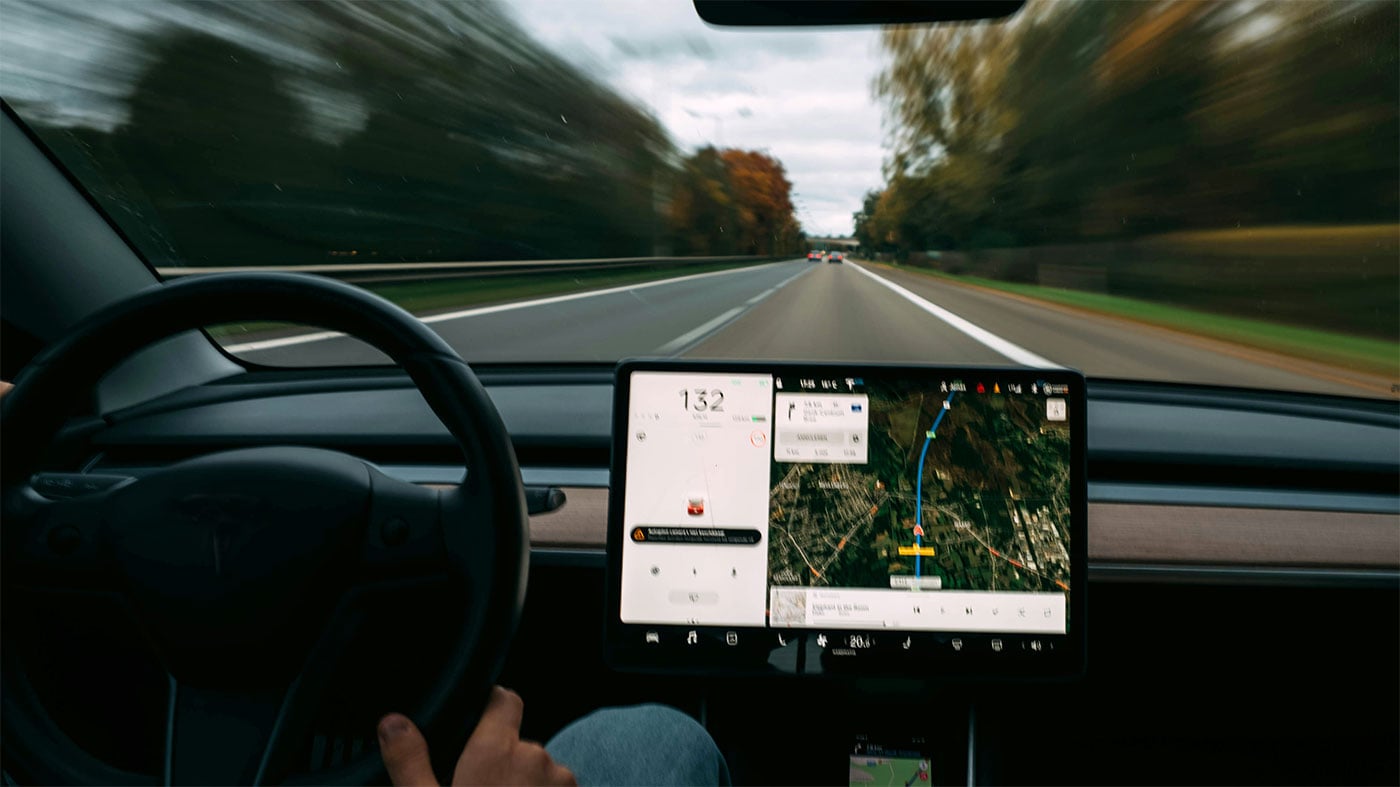
Distraction while driving has long been more than just individual misconduct. It is a socially significant safety issue and a major risk factor in road traffic. Without effective countermeasures, its impact is likely to grow even further.
Current research findings from the Allianz Center for Technology (AZT) highlight a key challenge: Distraction often goes unrecognized as a contributing factor in traffic accidents. Analysis of detailed accident data suggests that its actual impact is significantly underestimated in official accident statistics. Experts at the AZT currently estimate that at least one in three traffic accidents is attributable to distraction.
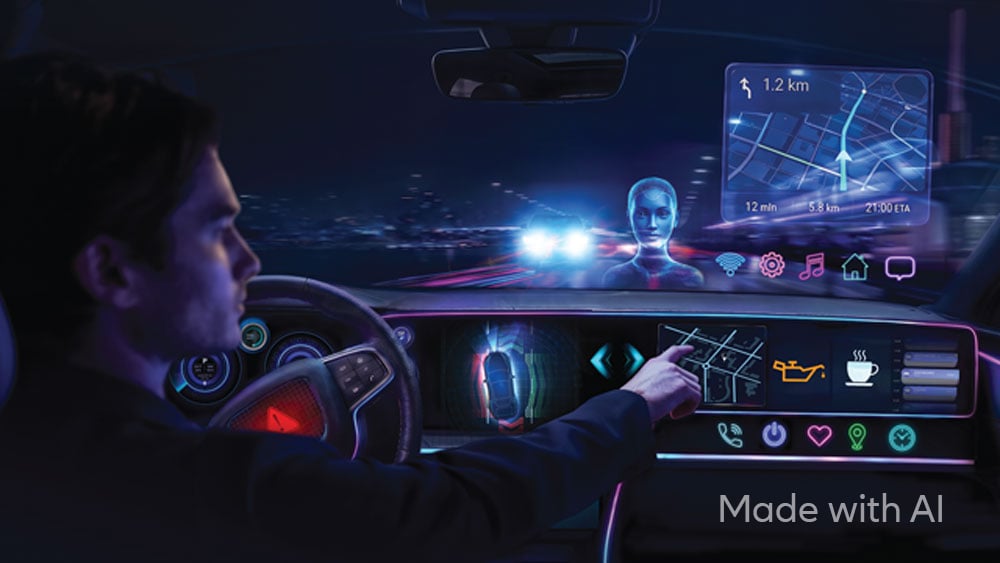
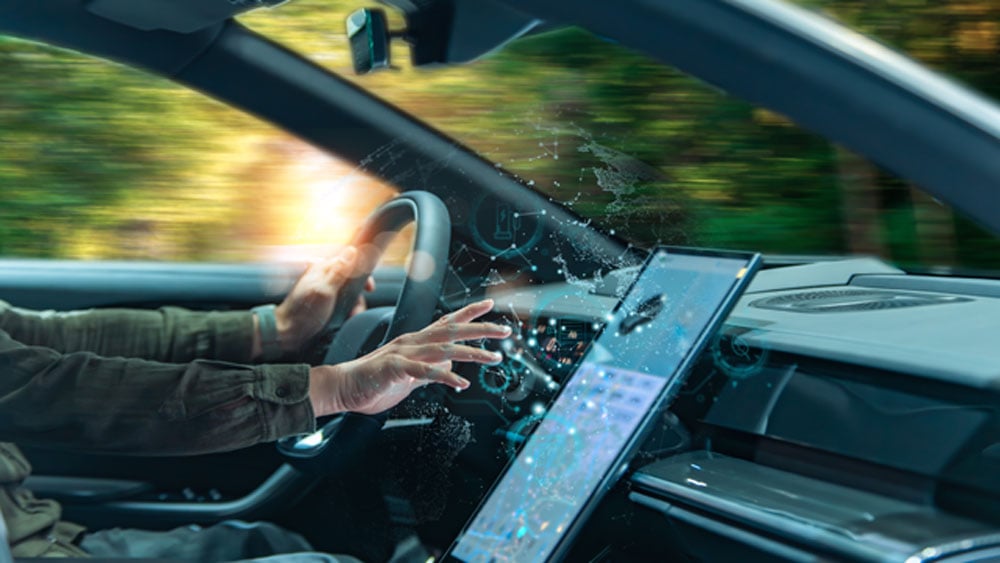
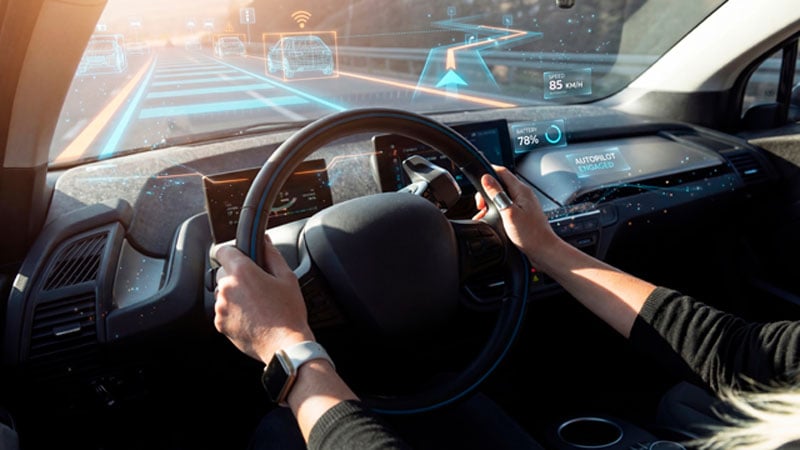
At the same time, technological changes in vehicles are altering the nature of accidents. Driver-assistance systems are taking over more and more driving tasks, and digital control interfaces are increasingly shaping the cockpit. This, in turn, is changing risks, accident patterns, and the nature of damage. Understanding these developments early on is just as crucial for insurers as it is for vehicle manufacturers and policymakers.
For insurers, this involves far more than just a more precise risk assessment or a better understanding of claims. These insights also form an important foundation for effective prevention. The goal must be to identify risks early on and, if possible, prevent accidents before they occur.
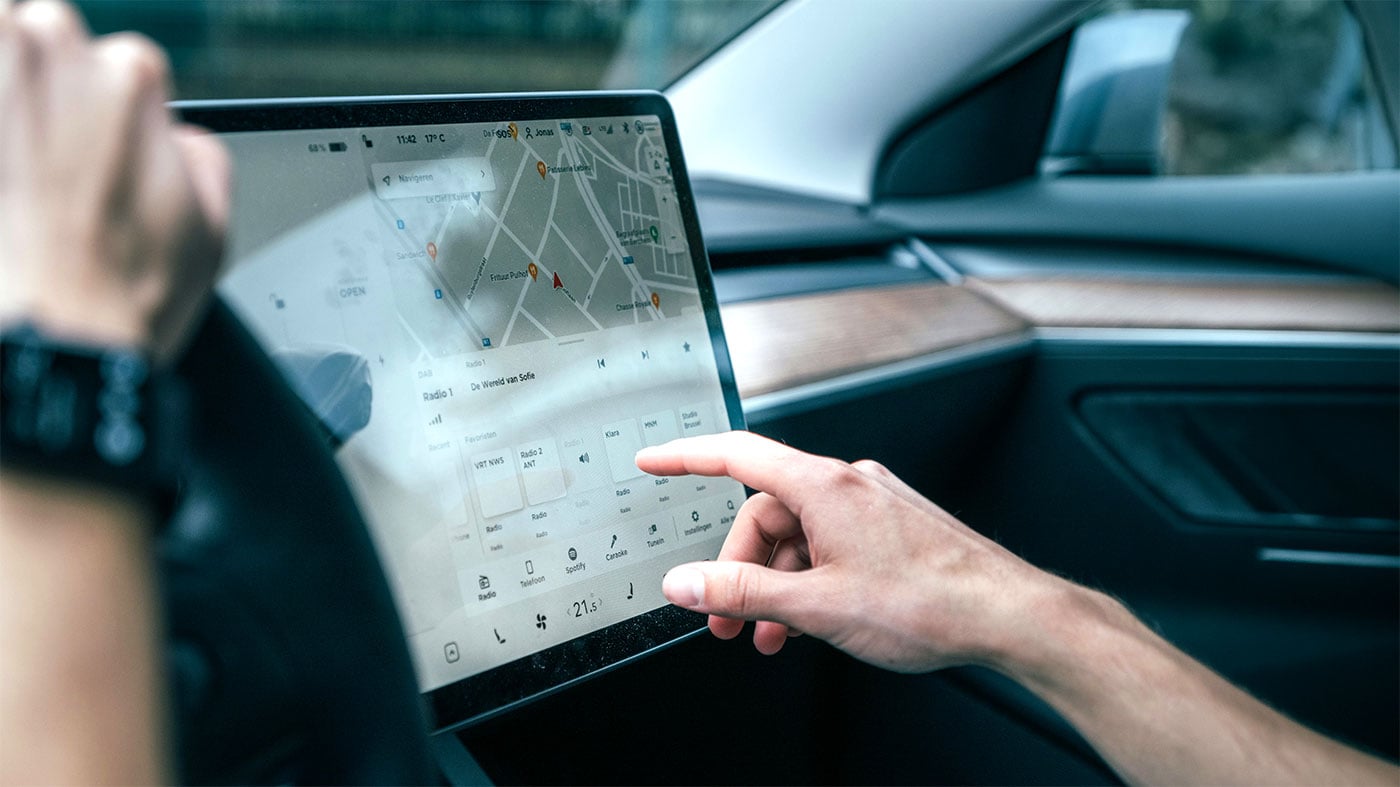
The studies also show that distraction is not solely a matter of individual driving behavior. The design of the vehicle and its controls also have a significant influence. Allianz driving studies conducted under real-world conditions show differences of up to 25 percent in visual distraction caused by various touchscreen control concepts. Cognitive modeling also illustrates that distraction can triple the risk of a collision in critical traffic situations.
This makes road safety a shared responsibility. Drivers are responsible for maintaining their attention behind the wheel. Manufacturers are called upon to design vehicles and control concepts in a way that minimizes distraction as much as possible. Policymakers, regulators, and traffic enforcement agencies must create appropriate framework conditions to support this. Research provides concrete starting points for the targeted development of preventive measures.
For the insurance industry, this means thinking beyond the individual insurance claim. The goal must be to prevent avoidable accidents, rather than merely settling their consequences. Ultimately, there is one overarching objective: mobility must remain safe and affordable. Vision Zero remains the decisive benchmark for this.