
Decarbonizing Real Estate:

Raphael Mertens on PIMCO Prime's Path to Net Zero

Raphael, thanks for taking the time to talk. A broad question to start: why is it important for PIMCO Prime to focus on decarbonization?
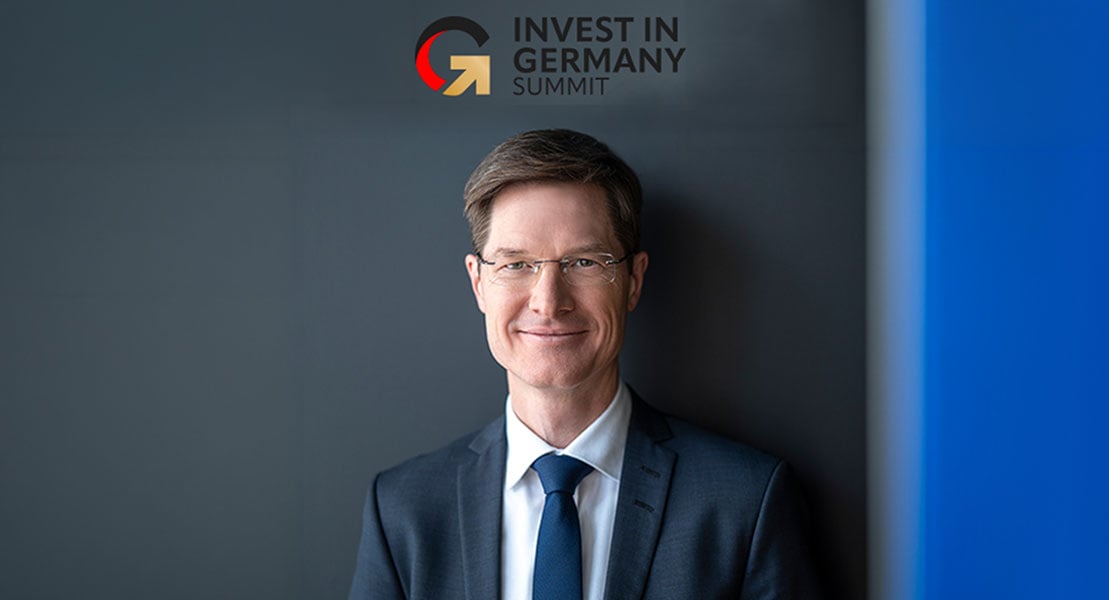
Raphael Mertens, Chief Sustainability Officer at PIMCO Prime Real Estate
Raphael Mertens: Thanks for having me. The real estate sector accounts for approximately 40% of global greenhouse gas (GHG) emissions1, making its decarbonization both challenging and crucial. With around 70% of these emissions stemming from building operations2, significant reductions can be achieved relatively quickly by refurbishing and updating existing buildings, particularly in terms of energy use and efficiency.
What steps is PIMCO Prime taking to address this challenge?
Raphael Mertens: As a leading global real estate investment manager, PIMCO Prime has developed significant expertise in sustainable operations. Since 2018, we've been focused on transitioning assets in one of the world’s largest global real estate portfolios towards net zero by 2050. To facilitate this, we’ve created a global sustainability framework that systematically assesses portfolios and develops tailored paths to net zero for individual assets at various stages of their investment cycle. This expertise has enabled us to assist approximately 50 clients in their ambitious goals to achieve net zero by 2050.
Let’s dive deeper into the process. Can you give a bit more detail about how PIMCO Prime supports its clients’ sustainability goals?

Raphael Mertens: To support our clients’ goals, we actively adapt to tenant expectations, local legislation, and carbon taxation policies. We follow a Sustainability Framework, which is designed to be adaptable and provides a comprehensive action plan that includes:

  1. Evaluation: Conduct asset and partner due diligence, collect data, and determine climate-related risks.
  2. Enhancement: Implement smart building programs, deep retrofits, and on-site renewable energy installations to maximize decarbonization.
  3. Engagement: Run tenant and partner engagement programs to promote sustainable best practices and implement a global green lease framework.

This framework ensures consistent assessment across all assets, regardless of location, and tailors strategies to measure impact and enhance performance based on specific client mandates.

What are some of the key steps you take to help with implementation?

Raphael Mertens: We’ve delivered initial successes through a combination of dedicated asset-focused CAPEX and a program of introducing smart features and green energy solutions into standing buildings. Understanding a building’s energy efficiency is the first step in reducing emissions, allowing for effective planning and progress measurement. PIMCO Prime employs a “no regrets” approach, typically involving the use of renewable energy while enhancing a building’s energy efficiency to modern standards.

Our key implementation steps include:

  • Energy Monitoring: Deploy environmental data management platforms and smart meter systems to inform decisions.
  • Efficient Operations: Conduct energy audits and implement energy management solutions for systems like HVAC and lighting.
  • Renewable Energy Procurement: Engage tenants to adopt green practices and install on-site renewable energy sources such as wind turbines or photovoltaic panels.
What successes have you notched since implementing these strategies, and what does the future look like?

Raphael Mertens: This approach has proven effective. By 2022, PIMCO Prime already achieved its interim goal of a 25% reduction in CO2 emissions by 2025, in line with the early version of the Carbon Risk Real Estate Monitor (CRREM) pathway, and we are currently on track to meet the stricter CRREM V2 pathway. This success has been driven by the implementation of remote energy monitoring in 87.4% of its portfolio and the switch to renewable energy in all landlord-controlled areas.

That being said, the next five years will be critical as redevelopment programs are completed and new assets are acquired with clear plans to meet their CRREM targets.

To learn more about PIMCO Prime's approach to sustainability and read about some compelling Use Cases, please visit our website.

A leading global real estate investor and manager, PIMCO Prime Real Estate is a subsidiary of PIMCO and part of the PIMCO real estate platform, focusing on the Core and Core+ segments of the market and managing the Allianz Group’s c.$93B real estate mandate.

We manage a global investment portfolio of over $97B AUM, with an international team of almost 450 employees working in 16 offices in Belgium, China, France, Germany, Italy, Japan, Singapore, Spain, Sweden, the UK and the U.S.

PIMCO’s real estate platform is one of the largest and most diversified in the world, with c.$183B[1] in assets and a broad set of solutions that leverage decades of expertise across public and private equity and debt markets.


The Allianz Group is one of the world’s leading insurers and asset managers, active in almost 70 countries and serving around 97 million private and corporate customers*. Our customers benefit from a broad range of personal and corporate insurance services, ranging from property, life and health insurance to assistance services to credit insurance and global business insurance. Recognized for the seventh consecutive year as the number one global insurance brand in Interbrand’s Best Global Brands 2025 ranking, Allianz’s success is built on technology-enabled customer centricity – providing peace of mind, protection, and prevention for our customers and strengthening the resilience of individuals, communities, and societies. We are one of the world’s largest investors, managing around 764 billion euros** on behalf of our insurance customers. Furthermore, our asset managers PIMCO and Allianz Global Investors manage about 2.0 trillion euros** of third-party assets. Thanks to our systematic integration of environmental and social criteria in our business processes and investment decisions, Allianz received an MSCI ESG Rating of AAA (as of March 2026). In 2025, our 156,000 dedicated employees achieved a total business volume of 186.9 billion euros and an operating profit of 17.4 billion euros for our shareholders.

* Customer count reflects Allianz customers in consolidated entities that are part of the customer reporting scope only.

** As of December 31, 2025.

As with all content published on this site, these statements are subject to our cautionary note regarding forward-looking statements:
Choose an element

Choose an element

Choose an element

Choose an element

Choose an element

634 results

Apr 23, 2026 | Media release, Strategy & Investments

AllianzGI acquires a 51% stake in German battery storage platform GESI

Allianz Global Investors (AllianzGI) announced today that it has acquired a 51 percent stake in battery storage platform Green Energy Storage Initiative (GESI) on behalf of Allianz insurance companies.

Apr 22, 2026 | Mergers & Acquisitions, Media release

Jio Financial Services and Allianz to form 50:50 primary insurance joint venture

Jio Financial Services Limited (JFSL) and Allianz Group (Allianz), through its wholly-owned subsidiary Allianz Europe B.V., today entered into a binding agreement to form a 50:50 primary insurance joint venture (JV) – covering general insurance and health insurance – to serve the rapidly expanding Indian insurance sector.

Apr 17, 2026 | Climate Change, Natural Disasters, Statement, Sustainability, Property & Casualty

Keeping Europe insurable and inhabitable

The rising economic costs of natural disasters are putting the affordability and viability of insurance – as well as the habitability of Europe – at risk. In a byline for the March 2026 edition of The Eurofi Magazine, Group Head of Global P&C Matthias Trüstedt discusses the challenges Europe is facing in adapting its changing climate.

Apr 08, 2026 | Reports & studies

Business as unusual: Exporters adapt to geopolitical shocks

The conflict between the US and Iran has thrown a fresh layer of uncertainty onto an already fragile global trade landscape. According to the Allianz Trade Global Survey for 2026, which gathered insights from 6,000 companies across 13 countries, businesses are now grappling with increased tariffs, weakened demand, and soaring energy costs in addition to uncertainty in the Middle East.

Mar 27, 2026 | Article, People & Culture, Artificial Intelligence

AI at Work: How Human and AI Skills Make Insurance Better

Blending human skills with cutting-edge AI technology is revolutionizing insurance at Allianz. Discover how upskilling in AI empowers employees to deliver faster, smarter, and more personalized customer service—while fostering responsible innovation and stronger, more collaborative teams.

634 results