When the waters rise. Flood protection with Allianz.

Heavier downpours. Higher seas. Smarter preparation.

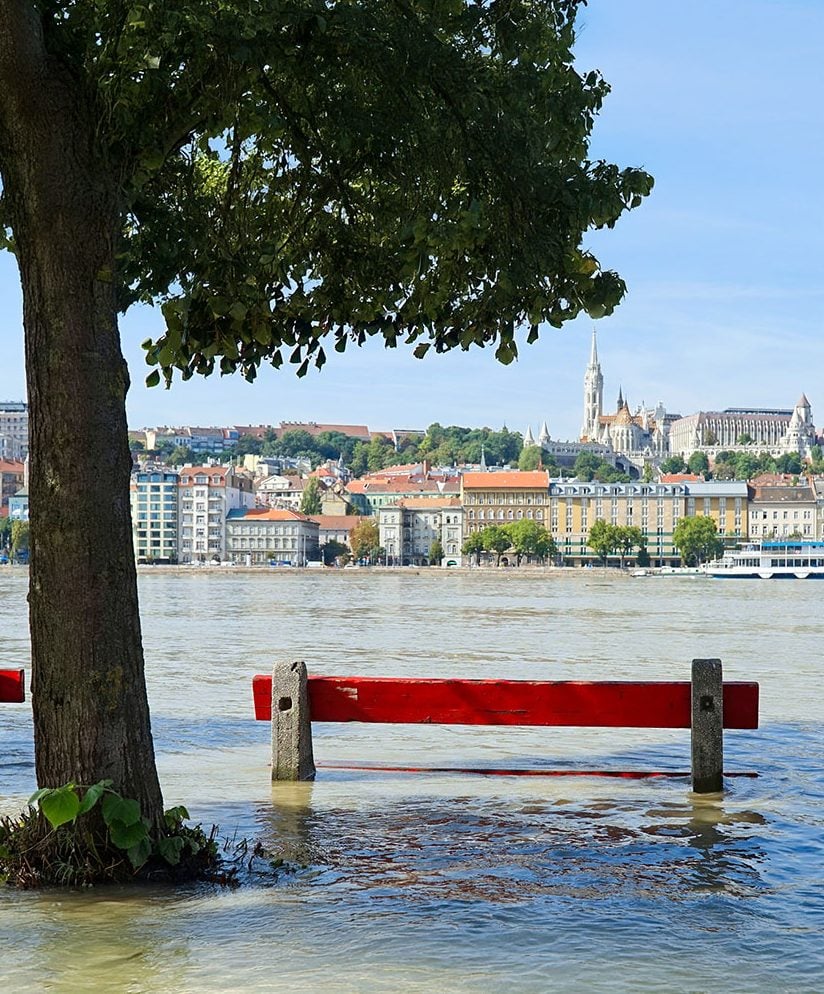
Water shapes our lives and our risks. Heavier downpours, higher tides and saturated ground are raising the chance of flooding in cities, towns and along coasts. Power, rail, road and supply chains can all be hit even when your property sits safely on higher ground. 

For Allianz, flood is one of the perils we take extremely seriously. Whether water comes from rivers, drains or the sea, the aim is the same: prevent damage where possible, prepare before it strikes and recover faster when it does.

Beyond insurance protection, Allianz supports customers with data, guidance and hands-on tools that raise risk literacy, strengthen trust and turn simple preparation into everyday resilience.
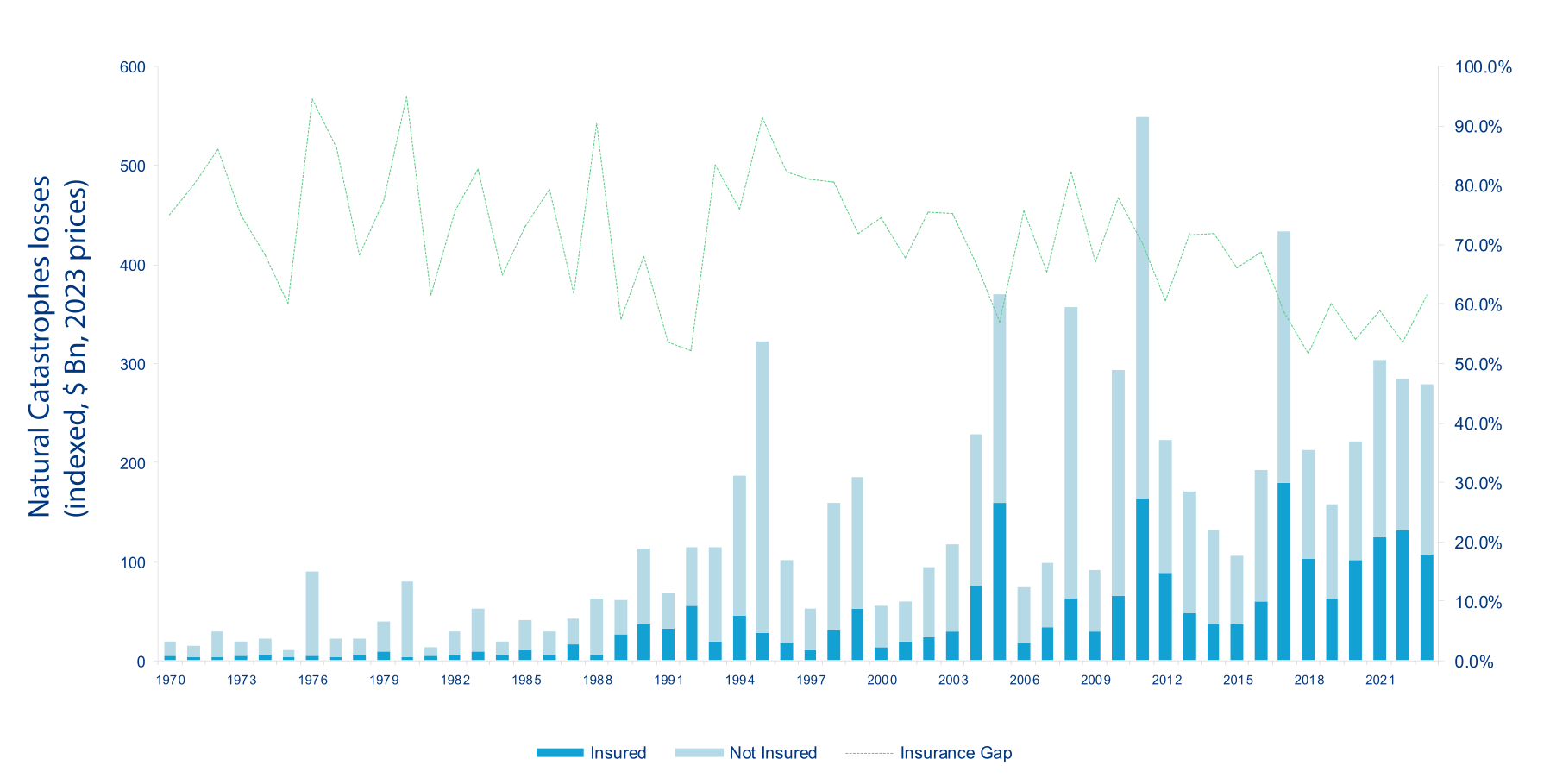

The water cycle is intensifying making the heaviest rains heavier and the seas higher. So many kinds of flooding are becoming more likely and more damaging, even though river-flood frequency can still vary by region. Today’s ordinary high tides reach farther inland and cause ‘sunny-day’ (high-tide) flooding more often.

  • Heavier downpours are becoming more frequent and intense as the planet warms, which increases the risk of flash- and surface-water floods.  
  • Coastal flooding is increasing because sea levels are rising and storms are riding on top of them; studies report growing coastal flood impacts in many regions.  
  • Observed impacts are mounting. Europe, for example, experienced its most widespread floods in more than a decade in 2024, and the European Environment Agency reports that weather-related losses have been sharply higher this decade, with floods being a major contributor.
  • Urban growth is adding hard surfaces, such as roads, car parks, logistics yards, big-box roofs, and even homes and patios. These block water from seeping into the soil and accelerate runoff into drains and streams, which increases the flash-flood risk in urban areas.
  • Natural catastrophes now rank among the top three global corporate risks

Floods are rising in frequency and impact. Innovation and readiness must rise with them.

With support from Allianz France and the Occitanie Region, FloodFrame has built a first-of-its-kind Flood Test Center in southern France. FloodFrame’s patented system works like an airbag for water: hidden in the ground, it lifts and seals a building automatically, using only the force of the flood itself.

The site allows real-life simulations of fast and deep floods – a rare chance to teach, test, measure and improve protection systems under true pressure. With this Test Center, Allianz France is working to advance prevention and-, resilience.

The aim is clear – turn research into proven solutions that keep people, homes and businesses safe when water rises.

Long-term prevention – plan, design and maintain in calm weather
 

Flood is one peril, yet the threat differs by place, building and role. That is why guidance varies by audience, not by ‘type of flood.’ The aim is simple: turn a forecast into tasks, then into habits.

This preparation mindset is consistent: know your exposure, reduce pathways for water, protect critical assets and plan recovery.


When intense rain beats design limits – in streets, sewers and rivers, floods hit homes, roads and power in ways that stack and spread.
London

icon showing map of uk with london in it
Short, intense cloudbursts swamped streets, Tube stations and basements as surface water and sewers were overwhelmed in dense central districts. Reviews estimate that over 1,000 properties (homes, businesses, schools, hospitals) were flooded.

icon showing map of germany with ahrtal region in it
Torrential rain from low "Bernd" triggered catastrophic river flooding on the Ahr, sweeping away roads and cutting power, water and rail. 134 people died in the valley; around 8,800 buildings were damaged; 62 bridges were destroyed and 13 were severely damaged.

icon showing map of usa with st. louis
Lambert International Airport set a daily record with 8.64 inches (about 219 mm) of rainfall in 24 hours, overwhelming roads and drains. Nearby University City alone had 300+ homes condemned; in Florissant, officials said 100+ homes were destroyed and 50+ businesses were severely hit.

icon showing map of india with chennai
Torrential rain from Cyclone Michaung inundated the city; the airport runway was submerged, and major roads were impassable. Humanitarian assessments tallied 1,687 houses fully damaged and 2,814 partially damaged, with 41,000+ evacuees and major business disruption citywide.

icon showing map of africa with nairobi
Urban areas saw deadly flash floods. At least 45 people were killed and 110 were injured in Mai Mahiu. Nationwide, 190,000+ people were displaced, including 147,000 in Nairobi.

Turn intent into routines. For businesses, have a flood plan in place that outlines roles, triggers, and contacts. Train teams on a set cadence. Test pumps and barriers in drills. Line up vendors for drying, electrical checks and fire-protection service so you are not searching when phones are busy.

Invest early, then keep at it. Small fixes compound a sealed duct, a raised electrical installation, a cleared drain and together they prevent the next inch of water from becoming the next major loss.

For high-risk sites, it is recommended to repeat the walkaround mid-season or after heavy rain. Regularly review your policy to ensure it covers you for flood, or if it needs to be updated due to changing circumstances.

  • Annual site walkaround: Ensure roofs, gutters, downpipes, and yard drains are clear; low openings are sealed; test backflow and sump systems; critical services are raised; curb grates are clear; and tools are checked.
  • Design and placement: Keep key equipment above likely water lines; choose building and device finishes that tolerate short wetting periods; seal penetrations.
  • Know your site: map nearby water, drains and routes in and out; identify single points of failure (for example, one substation, one server room, one access road) and add workarounds. 
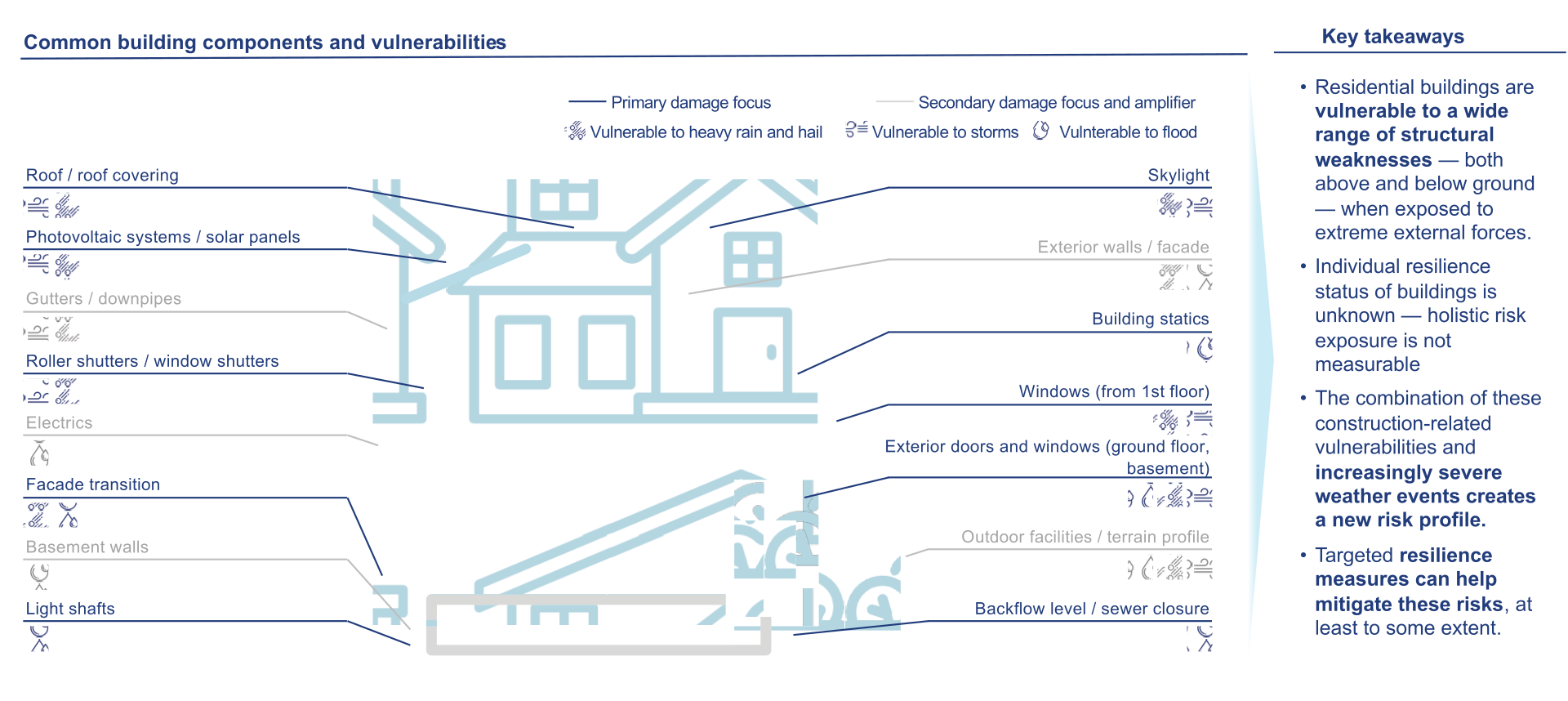
  • Check the installation of doors and windows and ensure they are properly closed.
  • Inspect and repair cracks or other defects in the façade.
  • Fit covers to basement wells; seal cable and pipe penetrations.
  • Install non-return valves on low-level sanitary lines.
  • Elevate boilers, heat pumps and switchboards where feasible.
  • Use water-resistant finishes below the typical splash height in basements.
  • Clear storm sewer grates and inspect curb inlets can help manage standing water after cloudbursts. 
Emergency authorities around the world recommend keeping an emergency kit and a portable “go bag” (or grab bag) for evacuations. Gather essential and valuable items and documents that you can take with you should you need to evacuate the premises. Place them in waterproof bags. Prepare an emergency pack containing tinned food, a can opener, water, a first-aid kit, blankets, warm clothing, a torch, spare batteries, matches, medication, drinking water, a battery-powered radio and gloves. 
Households & communities
  • Walk the path of water draining on the property and identify low entries, vents, light wells and cellar doors.
  • Fit backflow valves on wastewater lines; test sump pumps.
  • Ensure gutters, yard drains and street grates are clear within your frontage.
  • Elevate appliances and valuables, especially in basements.
  • Prepare a ready-to-grab bag and an essentials kit.
  • Know your alerts, sign up for local warnings; agree on a family plan and establish a meeting point.
  • Review official council or government flood maps to understand if your home is at high flood risk but be aware 50% of all Allianz flood claims occur outside the official floodplain.
  • Keep clear of moving water; never drive through floodwater. Even 15 cm of
    Floodwater can float a vehicle and wash it away into deeper water.
  • Never enter a basement or underground car park when floodwaters are rising.
    Water pressure can make opening escape route doors impossible.
  • Switch off power if water nears sockets or panels; keep fire-pump power live where installed.
  • Follow official evacuation routes and timings; check on neighbors who may need help.
  • Secure the site; photograph damage.
  • Do not re-energize electrics until inspected.
  • Ventilate, pump out, dehumidify; prioritize drying of timber and insulation.
  • Separate wet contents to prevent mold growth by removing them early and cleaning them thoroughly.
Businesses & sites
  • Develop a written flood emergency plan and train teams annually.
  • Map nearby water sources and access roads; identify alternate routes for site access and exit.
  • Pre-position sandbags, pumps, hoses, sheets, fuel and lighting at a safe elevation.
  • Inspect and repair dikes, walls and deployable barriers; protect drain inlets with racks.
  • Install backflow prevention on sewer and drain lines.
  • Relocate critical stock, servers and control cabinets above expected water levels; lift on pallets as a minimum.
  • Provide emergency power to stormwater pumps and test the automatic start function.
  • Maintain a vendor list for salvage, drying, electrical and fire-protection specialists.
  • Review official council or government flood maps to understand if your facility is at high flood risk, but be aware 50% of all Allianz flood claims occur outside the official floodplain.
  • Keep a trained team on site only if safe, monitor water levels and barriers.
  • Maintain situational updates to management, log actions and timings.
  • Check for undermined foundations and slab heave.
  • Keep as much fire protection in service as possible; isolate, repair, restore.
  • Follow hot-work controls during drying and repair.
  • Dehumidify to target moisture levels before closing walls or floors.
  • Review the plan and update any gaps and vendors.

Businesses can download the Allianz Commercial Flood Checklist for detailed steps before, during and after an event, plus contacts for local engineers and claims support.


Allianz Risk Consulting
materials and flood guides encourage enrolling in official warning services and wiring those alerts into site playbooks.

Allianz UK provides a straightforward, step-by-step guide to prepare your home for heavy rain and rising water.

The UK Environment Agency estimates that businesses that take effective action in response to a flood warning (at least eight hours in advance) can make up to 90% savings on damage to moveable equipment or stock (20%-70% for pubs/hotels, 70%-90% hi-tech offices and up to 50% in retail outlets).

To achieve this, effective planning and preparation are needed. 

Critical services are building systems you cannot lose without major harm to safety or operations.

In homes, these are the main switchboard, meter, boiler or heat pump, telecoms router, sump pump controls, gas shutoff and hot-water system. In businesses, these are electrical rooms and panels, server or comms racks, fire-alarm panel, fire pump and jockey pump, emergency lighting, generators and fuel tanks, compressors, lift machinery, and process controls.

Allianz helps you prepare in calm weather and act with confidence when warnings arrive – protecting you, your loved ones and your assets.
We stand by you before, during and after a natural catastrophe – with educational content on risks, early alerts, clear steps and fast help that protect people first, then property, then business continuity.
Before: Prepare

Allianz provides data tools to help guide your choices. They translate hazard views into practical steps for your address or portfolio, and they help you set priorities, stage measures in the right order and track progress over time. Before deciding to build, we recommend checking whether the chosen area is at risk of flooding. If so, it’s worth carefully reconsidering the location.

  • For retail customers: GloRiA (Global Risk Assessment): location-level views of natural-hazard exposure with a clear risk scale and tailored measures for households.
  • For commercial customers: CAReS (Climate Adaptation & Resilience Services):  CAReS translates physical climate risks into financial and physical loss metrics at the portfolio and asset level and helps to manage these risks with bespoke resilience consultancy   — from resilience measures that safeguard critical assets to strategies that build long-term adaptation for businesses and communities. 

Allianz personalized alerts and checklists turn forecasts into simple tasks that safeguard people and property. Our timely guidance helps you make safe moves, keep critical services live and limit damage.

Allianz entities are expanding location-based SMS ahead of severe weather. Where available, customers can opt in to receive timely prompts to move vehicles, fit covers, lift stock and deploy barriers.

  • SMS severe-weather alerts (Germany). Allianz sends location-precise SMS warnings for heavy rain, hail, thunderstorms, freezing rain, snow and wind. Lead time varies by hazard – roughly 15 minutes to 24 hours before impact. Opt-in is free for Allianz customers.
  • Early warnings and guidance (France). Allianz France provides advance alerts via email and SMS for severe weather, offering prevention tips before the impact and fast post-event guidance. Businesses can also receive prompts to protect sites and limit downtime.
  • In Italy, Allianz/Allianz Direct have introduced ‘ allerta meteo’ SMS for home policies with natural events cover.
  • Allianz España runs ‘ Alertas Meteo’ SMS to home customers in affected municipalities when unusual weather is forecast.
  • In Asia and the United States, Allianz Partners/Allianz Travel provides location-based travel and weather advisories through the Allyz app, as well as coverage alerts. These services are primarily focused on travel, rather than home/motor insurance.
  • Allianz Australia provides pro-active SMS and social media alerts to customers   before, during and after a severe weather event, including providing a dedicated Claims phone line for customers aged 75+ years.  
  • European Flood Awareness System (EFAS). Pan-European outlooks up to 10 days ahead for river floods; used by national services.
  • We also recommend enrolling in your national flood warning services, such as WarnWetter, NINA, and Meine Pegel (Germany); Environment Agency warnings in the UK; or Hazards Near Me in NSW, Australia. Build these alerts into your plan so messages trigger clear actions – before, during, after.

See the Allianz Australia Prevention site for more tips.

We at Allianz can support you with planning, partnering, and finding a path back. We provide rapid claims, trusted contractors and practical advice that gets you back to normal, faster. 

We also prioritize repair instead of replacement where safe and effective. Repair speeds up the return to normal and often improves outcomes in terms of time and cost, while also reducing waste and emissions.

  • Rapid on-site assessment: Major-loss adjusters prioritize safety checks (power, heating, oil contamination) and document damage.
  • Immediate advance payments: On-site transfers to cover urgent needs and kick-start drying and repairs.
  •  Scale on the ground: Hundreds of experts deployed; thousands of drying units mobilized (example, in last year’s floods in Bavaria, Allianz provided 6,700 devices).
  • Clear guidance: What to do first (isolate electrics, ventilate, pump out, dehumidify), and when specialists are required.
  • People first: Adjusters trained to balance finance with empathy, helping families make sound decisions under stress.
  • Prevention loop: Every claim feeds into better alerts, stronger buildings and smarter plans for next time.
Need help now?
Contact us at Allianz Products & Servcices

Repair today, protect tomorrow
Each recovery is a chance to emerge stronger for next time: document what failed, fix it to a higher standard and fold those lessons into your plan while the weather is calm. Move critical services up, seal new pathways for water, refresh your go-bag and alerts and rehearse the steps that turn forecasts into action. In doing so, you complete the resilience loop: prepare, protect, recover and return to the start stronger for when the waters rise again.
Build Back Better
Allianz Commercial has further developed its Build Back Better endorsements, which build levers into the claims process that actively support customers in improving their sustainability performance and long-term value after a disaster strikes.
Day 0-2

icon check list

Ensure Safety First

  • Wait for official confirmation that it's safe to return.
  • Inspect for structural damage, gas leaks, and downed power lines.
  • Turn off electricity and gas before entering.

Wear Protective Gear

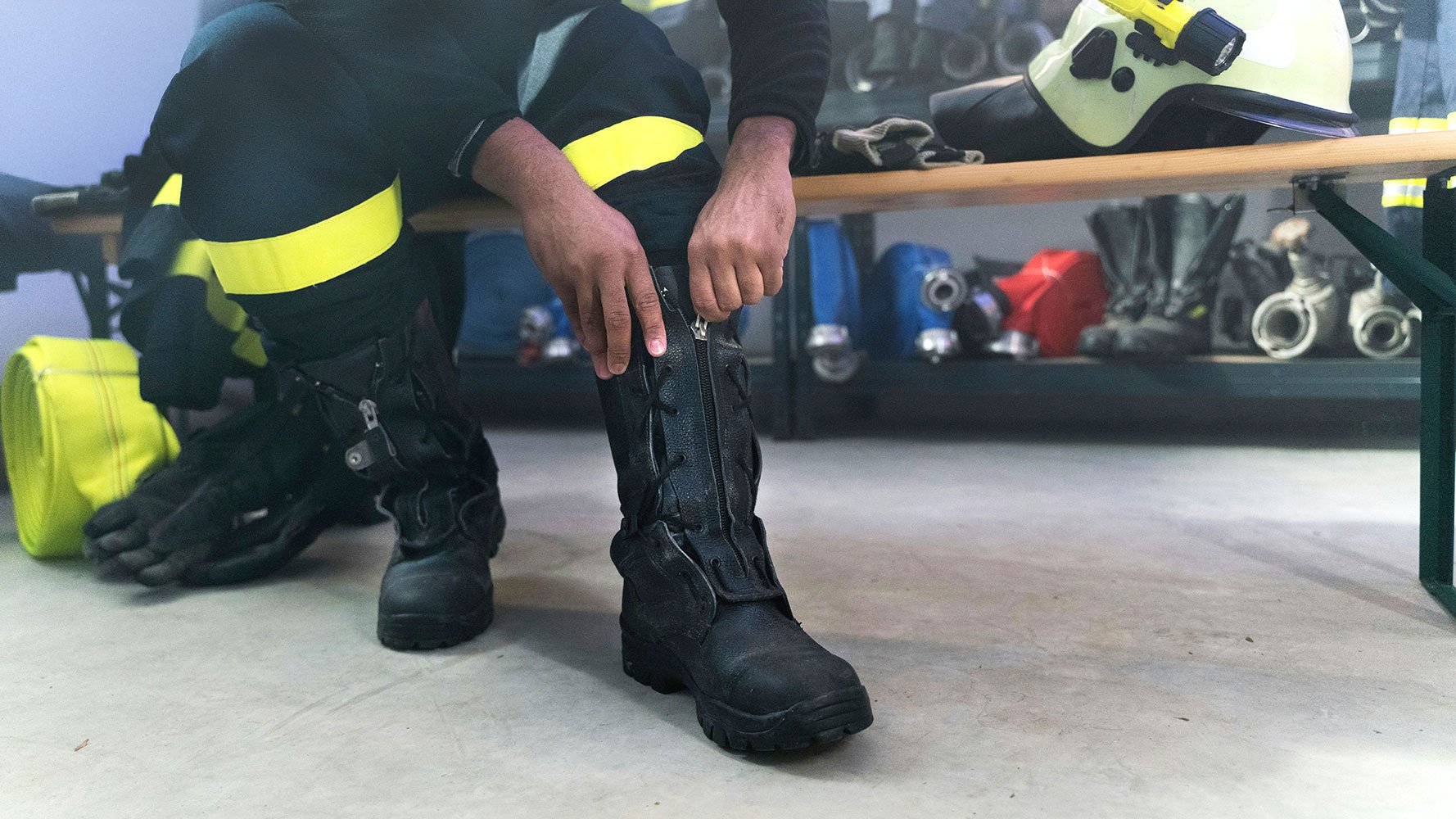
  • Use waterproof boots, rubber or neoprene gloves, goggles, and an FFP2/N95 mask to protect against mold spores. Wear clothing that covers your arms and legs.
  • Cover open wounds and wash hands thoroughly after cleaning.

Document Damage

  • Take photos of all the damage and the flood water line.
  • Contact your insurance company to arrange rapid advance claim payments and advice for discarding items.

icon reparation tools within shield

Remove Debris and Contaminated Items

  • Shovel out mud and remove debris such as tree limbs and garbage.
  • Your insurance company’s specialists can inspect the property for possible contamination from, for example, oil or sewage.
  • Contaminated items (for example, sewage-exposed materials) may need to be disposed of as hazardous waste.
  • Contact your insurance company to find out which items should be cleaned and disinfected, and which items should be discarded.

Dry Out the Home

  • Start drying out the home as soon as possible to limit mold growth.
  • This process can take several weeks or even months depending on water levels and materials.
  • Open windows and doors, use fans and dehumidifiers.
  • Drain walls and ceilings if water is trapped inside.
  • Remove and discard soaked insulation and wallboard if necessary.

Handle Food and Water Safely

  • Discard any food or drink that touched floodwater.
  • Throw away fridge food if power was off >4 hours; freezer food if >24 hours or if flood waters reached the appliance.
  •  Do not use tap water if it smells or looks unusual – contact your water provider.

Seek Support

  • Contact local councils for waste disposal, housing help or financial aid.
  • Reach out to mental health services if needed.

icon house protected by a shield
Begin resilient renovations where possible (raise boilers, heat pumps and switchboards, seal penetrations, choose flood resilient materials for insulation, walls, and floors).

icon check list paper
Update your emergency plans, register for local alerts, and prepare for the future – repair today, protect tomorrow.

In many markets, standard home policies often exclude coverage for rising groundwater, seepage and hydrostatic pressure. Flood cover typically responds to sudden external water that enters from the surface. If water never breaches from outside and damage is caused by groundwater pushing in, it is usually excluded. Some policies offer add-ons for sewer back-up, sump failure or drain backflow, often with sub-limits. If in doubt, check your local policy wording or speak with your broker.

Here you can learn about the options for natural hazard insurance and discover how to protect your home or business against flood risks optimally.

What began as a child’s game of chasing stormwater has become Katherine’s life’s work. As an Allianz flood specialist, she helps turn curiosity into preparation – keeping people safer when the waters rise. 


“We need a triad of prevention, risk-appropriate premiums and government support.”
Dr. Klaus-Peter Röhler, Member of the Board of Management of Allianz SE and responsible for Insurance German-speaking Countries, Central Europe, Global Property & Casualty, discusses growing climate risks, the limits of insurability, and the division of responsibilities between government, insurers and policyholders. 
Dr. Klaus-Peter Röhler
Do you have any questions or need additional support?