



Last updated: September 23, 2026

Climate risks and insurability:
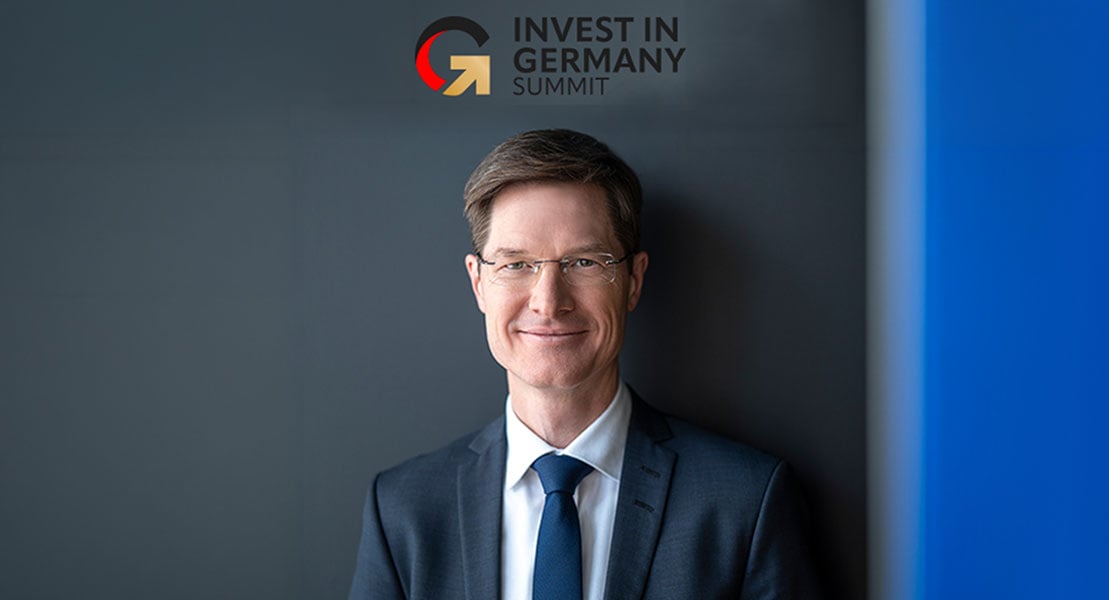
Klaus-Peter Röhler: "We need a triad of prevention, risk-appropriate premiums and government support"
Mr. Röhler, how is climate change reshaping the insurance landscape?

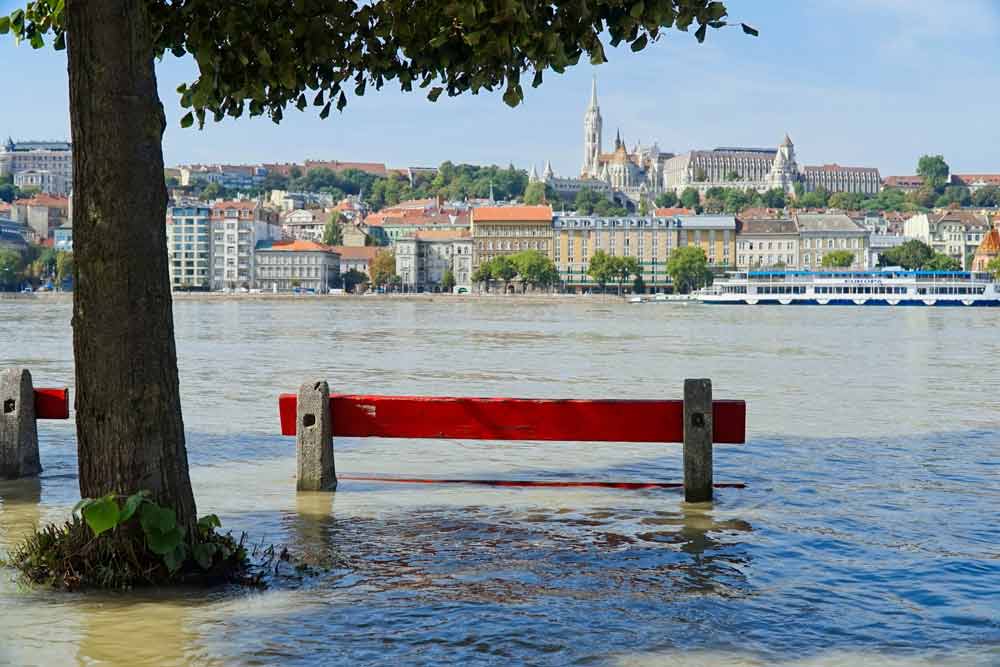
Significantly and in lasting ways. Europe is the hotspot of global warming, having warmed twice as fast as the global average since the 1980s. As a result, the frequency and intensity of extreme weather events are increasing sharply — and the economic damage is rising noticeably. Weather-related losses in Europe climbed from around €8.5 billion per year in the 1980s to around €45 billion in 2020-2023 (adjusted for inflation), a fivefold increase. This increases overall economic vulnerability and poses growing challenges for insurers: risk accumulation is increasing, loss volatility is becoming greater and risks are becoming harder to calculate. This is not a short-term fluctuation, but a structural trend that challenges not only the insurance landscape, but society as a whole.
How can insurability and affordability be ensured under these conditions? And how do you assess compulsory insurance, which is currently the subject of intense debate in Germany?
Compulsory insurance in isolation is not a solution. It does not address the root causes of the increasing burdens but merely redistributes them. Premiums would keep pace with the rising losses rather than reducing them. In addition, a compulsory system without risk-oriented pricing weakens the incentives for prevention. This means that the limits of insurability are reached sooner rather than pushed back.
Instead, a comprehensive concept based on three interlocking pillars is needed. First, risk preparedness, effective prevention and protective measures for adaptation to climate change must be prioritized at all levels — by governments and policyholders — to reduce the extent of damage caused from extreme weather events. This means climate-resilient construction and targeted investments in protective infrastructure — where they have the greatest effect.
Second, private-sector insurance must remain risk-based. Premiums that reflect individual risk, reward effective prevention and avoid misguided incentives that arise when high risks are systematically cross-subsidized. Third, a clearly defined government stop-loss is needed as reinsurance protection for exceedingly rare, extreme events. In the event of exceptionally high cumulative losses – for example, on the scale of a 200-year event — government backing can cushion volatility without crowding out the market. It is important to have a design that complements rather than replaces private capacity. This stabilizes the system in extreme years, while market signals continue to operate during normal conditions.
What concrete steps must the government take to make prevention effective?
Investments and the speed of implementation of protective measures, especially flood protection, must increase dramatically. Many measures are well known, but progress is slow: despite the German Federal Climate Adaptation Act (KAnG), which has been in force since 2024, and the flood protection plan adopted in 2013, only about 5 percent of projects have been completed in Germany, and around 80 percent have not even been started. If the current pace continues, the plan will not be fully implemented even in 100 years. It must not and should not fail due to a lack of funds. In Germany, the federal government has set up a special fund of €100 billion to strengthen infrastructure, among other measures. Prevention — especially flood protection — is also one of the most economically sensible public investments: every euro invested saves four to ten euros in reconstruction costs.
In addition to implementing preventative infrastructure measures, the state must set clear guidelines for households. Climate change should be enshrined in building law as a protection goal. This includes building bans in high-risk areas, which must be consistently introduced and enforced, as well as mandatory climate risk assessments for every building permit. In addition to regulations, owners should be supported through targeted subsidy programs for prevention-oriented construction and renovation, for example, by replacing particularly damage-prone system, such as oil heating, in flood areas. We also need a national prevention register that discloses which government protection measures are planned where, their stage of development and when the infrastructure will be completed — this allows citizens to see gaps and demand implementation. At the same time, the register helps insurers identify current risk zones and promptly integrate changes into their risk assessments.
How is Allianz working to reduce climate risks and prevent risks from becoming uninsurable?
We are driving forward the decarbonization of the economy while ensuring reliable, affordable insurance coverage for residential buildings and property risks — that is the core of our value proposition. To this end, we rely on leading expertise in underwriting, data analysis and natural hazard modeling to precisely understand and manage risks and reflect them in risk-appropriate premiums. Robust capital and reinsurance management help us cushion the volatility of natural disasters and weather events and deliver on our performance promises even in challenging years.
In the event of a claim, we provide fast, practical assistance — from coordinating tradespeople and providing drying equipment to targeted regional support — and link the settlement to our Build Back Better approach. We advise on resilient materials, promote upgrading measures where appropriate and aim not only to repair damaged properties, but also to make them more sustainable and flood-resistant during the repairs. Flood risk can never be eliminated, but such upgrades reduce damage and speed up repairs.
What can and should policyholders do themselves?
Policyholders themselves can make an enormous difference. The starting point is a realistic assessment of their own risk. Allianz supports homeowners with its residential location risk assessment, which highlights local natural hazards, and with its Allianz severe weather warning service, which provides early warning of impending events. The fact that only around 57 percent of Germans currently have natural hazard insurance underscores the continuing great need for education and protection. For companies, we also offer more advanced tools as part of our CAReS services to help them assess and effectively manage the impact of climate risks on their business.
On this basis, policyholders must act consistently and consider prevention at an early stage — especially when building new structures or renovating existing ones. Those who plan for climate- and natural hazard-resistant solutions from the outset significantly reduce their risk of damage, shorten downtime, and stabilize their own insurance costs in the long term.
Are there countries that have already successfully implemented the required triad, and from which we can learn?
Successfully implemented? No. But we can learn from the US what happens when such a triad is politically prevented. In states such as California and Florida, a toxic mix of rapidly rising climate risks, unsustainable damage costs, and dysfunctional regulation has emerged. Prevention and risk-adequate prices are being politically obstructed, the insurability of natural catastrophe risks is eroding, leading providers are hardly writing any new business, and state bailout models are coming under massive pressure. The lesson for Europe is clear: insurability is not a static state. It remains viable if we consistently implement the triad — with effective prevention, risk-adjusted premiums and clearly defined government support in the event of extreme losses — and act promptly.
Further information
More news
About Allianz
The Allianz Group is one of the world’s leading insurers and asset managers, active in almost 70 countries and serving around 97 million private and corporate customers*. Our customers benefit from a broad range of personal and corporate insurance services, including property, life and health insurance, as well as assistance services, credit and global business insurance. Recognized for the seventh consecutive year as the number one global insurance brand in Interbrand’s Best Global Brands 2025 ranking, Allianz’s success is built on technology-enabled customer centricity – providing peace of mind, protection, and prevention for our customers and strengthening the resilience of individuals, communities, and societies. We are one of the world’s largest investors, managing around 791 billion euros** on behalf of our insurance customers. Furthermore, our asset managers PIMCO and Allianz Global Investors manage about 2.2 trillion euros** of third-party assets. Thanks to our systematic integration of environmental and social criteria in our business processes and investment decisions, Allianz received an MSCI ESG Rating of AAA (as of March 2026). In 2025, our 156,000 dedicated employees achieved a total business volume of 186.9 billion euros and an operating profit of 17.4 billion euros for our shareholders.
* As of December 31, 2025. Customer count reflects Allianz customers in consolidated entities that are part of the customer reporting scope only.
** As of June 30, 2026.
Cautionary note regarding forward-looking statements
As with all content published on this site, these statements are subject to our cautionary note regarding forward-looking statements: