
This map of Germany shows the trend in potential hailstorm tracks between 2005 and 2024. Colors indicate the magnitude of change per decade (blue = decrease, red = increase).

Hail: The underestimated threat
Hailstorms may seem like a minor inconvenience, but they represent one of the most significant and growing natural catastrophe risks facing the insurance industry today. In recent years, severe convective storms with hail as the primary hazard have caused more insured losses globally than all other natural perils combined.
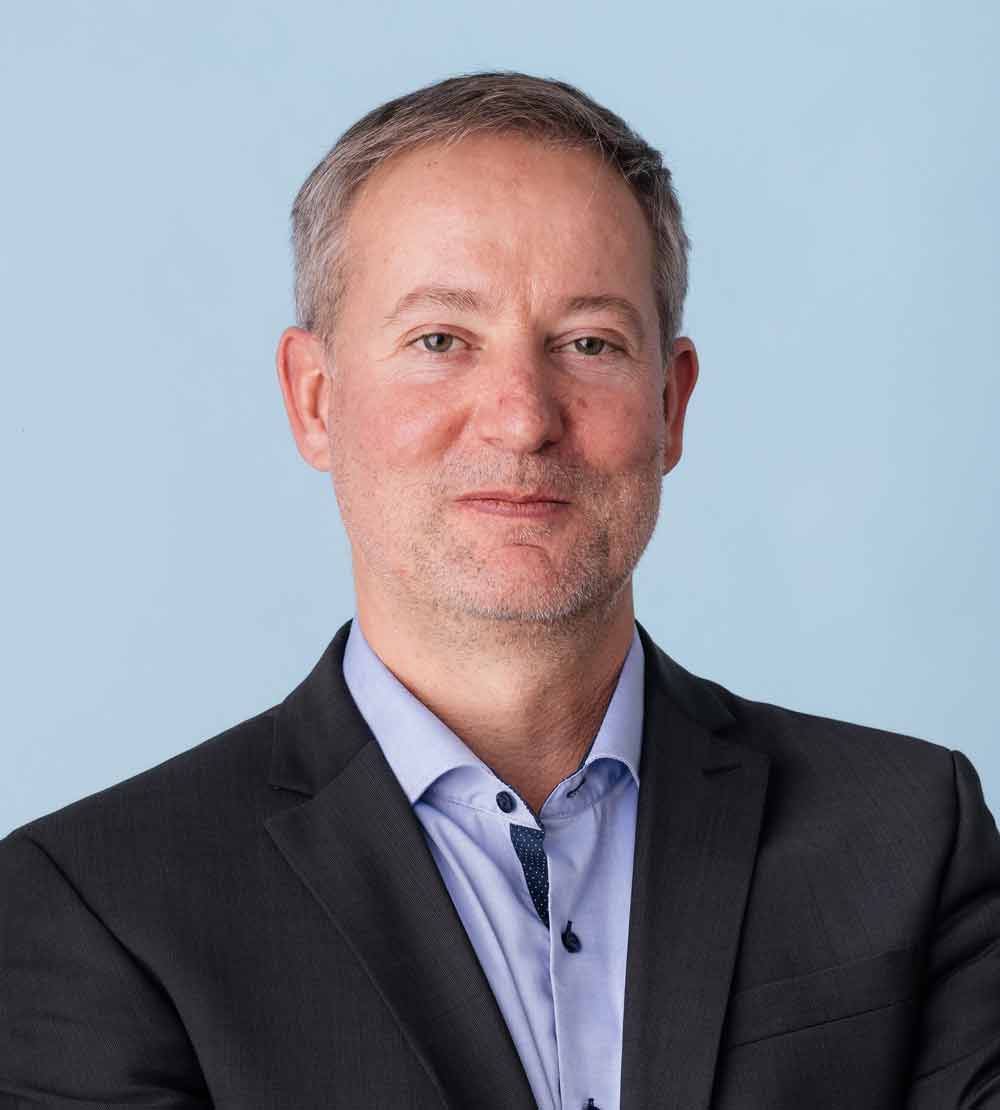
"This trend also holds true for Allianz," says Dr. Matthias Hackl, Head of Cat R&D at Allianz Re. "We've paid out more for hail damage in recent years than for all other natural hazards."
"This trend also holds true for Allianz," says Dr. Matthias Hackl, Head of Cat R&D at Allianz Re. "We've paid out more for hail damage in recent years than for all other natural hazards."
Record-breaking events across Europe
While North America's Midwest remains the global epicenter of hail risk, Europe has experienced increasingly severe events. Austria's Storm Volker in June 2021, devastating hailstorms in France in June 2022, and particularly dramatic events in Northern Italy in July 2023 and Southern Germany in August 2023 have caused billions in insured losses.
The Northern Italy event alone resulted in more than 6 billion euros in insured damage. "In one week, the European record for hailstone size was broken twice," Hackl says. "On July 24, 2023, a hailstone with a diameter of approximately 19 centimeters was recorded." Hailstones of this magnitude cause catastrophic damage not only to vehicles but also to buildings, and pose serious risks to human safety.
The climate change conundrum
Understanding hail's relationship with climate change is surprisingly complex. "It's remarkably difficult to answer whether hail is increasing due to climate change," Hackl says. The challenge lies in massive observation gaps – hail is typically measured indirectly via radar, but actual ground impact can only be verified through specialized hail pads deployed at limited locations.
However, Allianz possesses a decisive advantage: customer claims data. "We have approximately ten times as many observation points as are publicly available," Hackl says. "For every public data point, we have ten Allianz claims reports that we can use to assess the risk more accurately."
This proprietary data has enabled groundbreaking research. Allianz is funding a doctoral thesis at the Karlsruhe Institute of Technology (KIT) examining hail risk and climate change impacts. Preliminary results from analyzing the past 20 years in Germany reveal a complex picture with competing mechanisms at play.
"We see that the hail season has lengthened - starting earlier and lasting longer, especially in Southern Germany where hail risk is already higher than average," Hackl says. Interestingly, there's also a countertrend: reduced sulfur and aerosol concentrations in the air due to international air quality regulations may be suppressing some hail formation, as these particles serve as condensation nuclei for ice crystal formation.

Commercial risks: Beyond dents and scratches

For commercial insurance, hail has evolved from a secondary concern to a major loss driver. Christine Hoefflin, Senior Risk Consultant at Allianz Commercial, has observed a troubling trend: "In recent years, we've increasingly seen larger individual losses with significant business interruption components, reaching the magnitude of major fire losses. We're no longer just talking about dents or scratches, but large-scale destruction."
Major hail losses typically occur when high-risk areas combine with vulnerable construction methods. "Hail usually doesn't come alone - it's typically accompanied by wind or heavy rain," Hoefflin says. "Water damage to buildings and contents can become a problem, especially with moisture-sensitive goods or operations."
Solar parks face particular vulnerability, with hail representing the number one natural hazard for these installations. For rooftop solar panels on industrial buildings, the risk appears more manageable, though monitoring continues.
What can businesses do?
Hoefflin recommends a systematic approach starting with risk assessment: evaluating local hail risk, building vulnerability, and business continuity implications. "With hail, you should always consider the entire site, not just the main buildings, because hail affects large areas," she says.
Technical mitigation measures include hail-resistant roof constructions (concrete, gravel-covered, or green roofs), tested hail-resistant skylights and smoke vents, and regular maintenance with timely replacement of aging materials. "We know very well that old materials are much more vulnerable to hail damage," Hoefflin says.
Critically, emergency planning and business continuity planning are essential. Feedback from claims adjusters reveals that most companies had not even considered such a major event and were not prepared to take precautions.
Automotive claims: AI transforms customer experience
For vehicle owners, hail damage has historically meant frustration: overloaded call centers, weeks waiting for adjusters, and months before repairs. In 2023 alone, over 450,000 vehicles were damaged by hail in Germany, causing 1.9 billion euros in claims costs (17 billion euros across Europe).
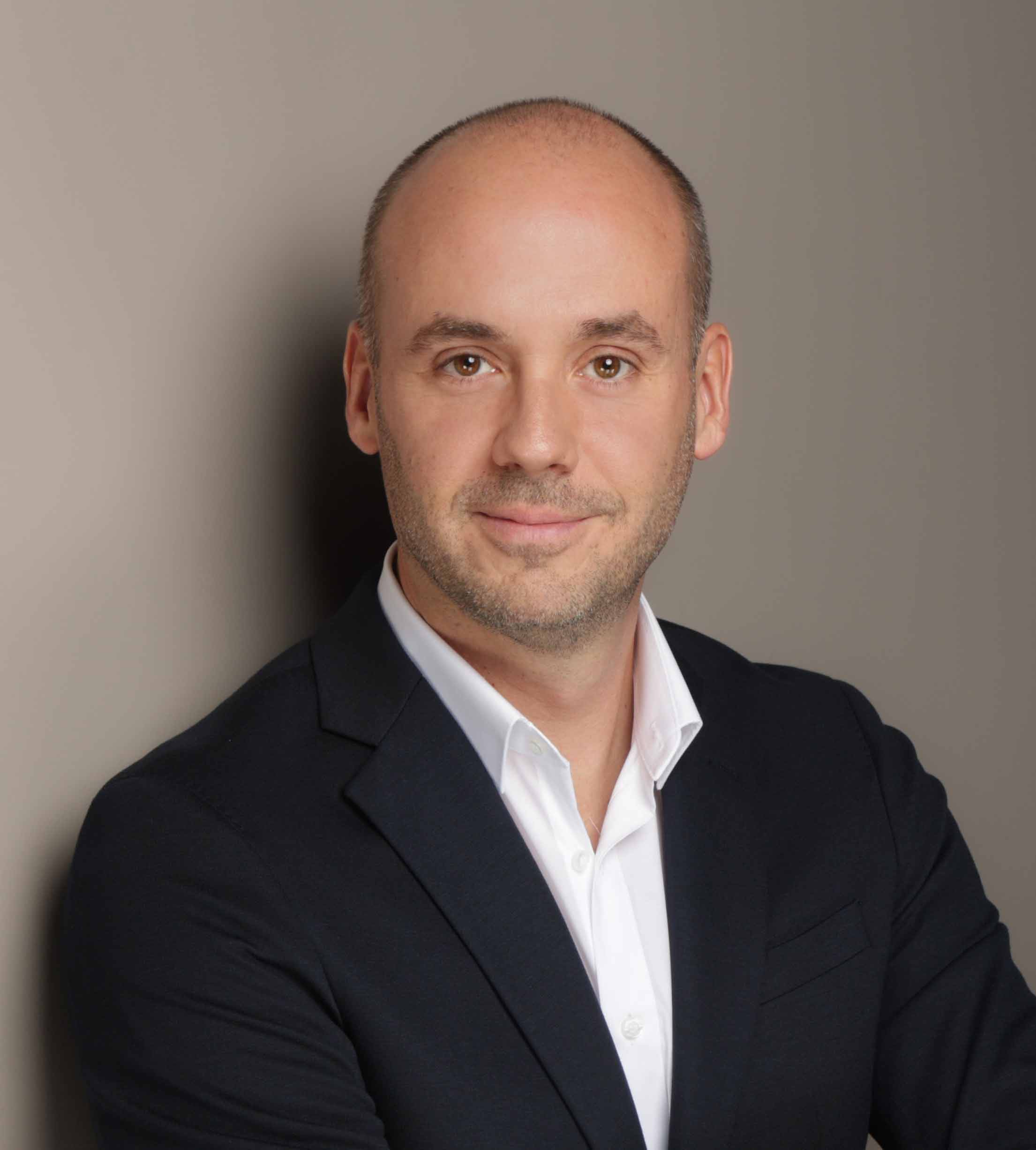
"With such major loss events, traditional systems collapse completely," says Andreas Decker from Control Expert, the automotive claims technology partner of Allianz Partners. "Phones ring but nobody answers, and customers wait months."
Today's approach leverages artificial intelligence to transform this experience. Claims are reported digitally 24/7, or customers speak with voice agents in their preferred language. Uploaded photos are analyzed by AI within minutes, identifying dent counts, affected components, locations, and severity.
"In simple cases, this runs fully automated; in complex cases, an expert reviews it, but the AI has already done the essential work," Decker says. "The result: instead of weeks of uncertainty, customers have workshop appointments arranged within minutes."
The technology uses specialized hail scanners at partner workshops – large arches with precision lighting and cameras creating standardized photos. AI-powered image recognition then precisely identifies each dent's location, size, and severity, determining whether repairs or component replacement are needed.
"Most importantly, the system scales," Decker says. "Whether we have a single claim or over 10,000 with a major event, the process remains stable at the same quality level."
The efficiency gains matter for everyone. Repair costs have risen 38 percent since 2020, compared to 23 percent general inflation, with spare parts up 44 percent. "Efficiency in claims handling becomes the decisive lever," Decker says. "Low claims costs directly benefit policyholders through stable or lower premiums. Exploding claims costs result in rising premiums - and we all want to avoid that."
Preparing for the next event
With over 20 years of experience in digital automotive claims processing and systems used by over 90 percent of German automotive insurers, the technology is proven. "We're not talking about a future vision but reality that customers already use today," Decker says.
As climate patterns evolve and extreme weather events potentially increase, Allianz's multi-faceted approach – combining proprietary data analysis, cutting-edge research, risk engineering expertise, and AI-powered claims processing – positions the company to protect customers against one of insurance's most challenging and underestimated risks.
"One thing is clear," Decker says. "The next major loss event will certainly come. The question is only when and how well prepared we are."
Further information
For further information please contact:
Alexandra Rudhart
Group Communications Manager Press and Events, Allianz Partners
More news


.jpeg)

About Allianz
Last updated: September 23, 2026
The Allianz Group is one of the world’s leading insurers and asset managers, active in almost 70 countries and serving around 97 million private and corporate customers*. Our customers benefit from a broad range of personal and corporate insurance services, including property, life and health insurance, as well as assistance services, credit and global business insurance. Recognized for the seventh consecutive year as the number one global insurance brand in Interbrand’s Best Global Brands 2025 ranking, Allianz’s success is built on technology-enabled customer centricity – providing peace of mind, protection, and prevention for our customers and strengthening the resilience of individuals, communities, and societies. We are one of the world’s largest investors, managing around 791 billion euros** on behalf of our insurance customers. Furthermore, our asset managers PIMCO and Allianz Global Investors manage about 2.2 trillion euros** of third-party assets. Thanks to our systematic integration of environmental and social criteria in our business processes and investment decisions, Allianz received an MSCI ESG Rating of AAA (as of March 2026). In 2025, our 156,000 dedicated employees achieved a total business volume of 186.9 billion euros and an operating profit of 17.4 billion euros for our shareholders.
* As of December 31, 2025. Customer count reflects Allianz customers in consolidated entities that are part of the customer reporting scope only.
** As of June 30, 2026.
Cautionary note regarding forward-looking statements
As with all content published on this site, these statements are subject to our cautionary note regarding forward-looking statements: