
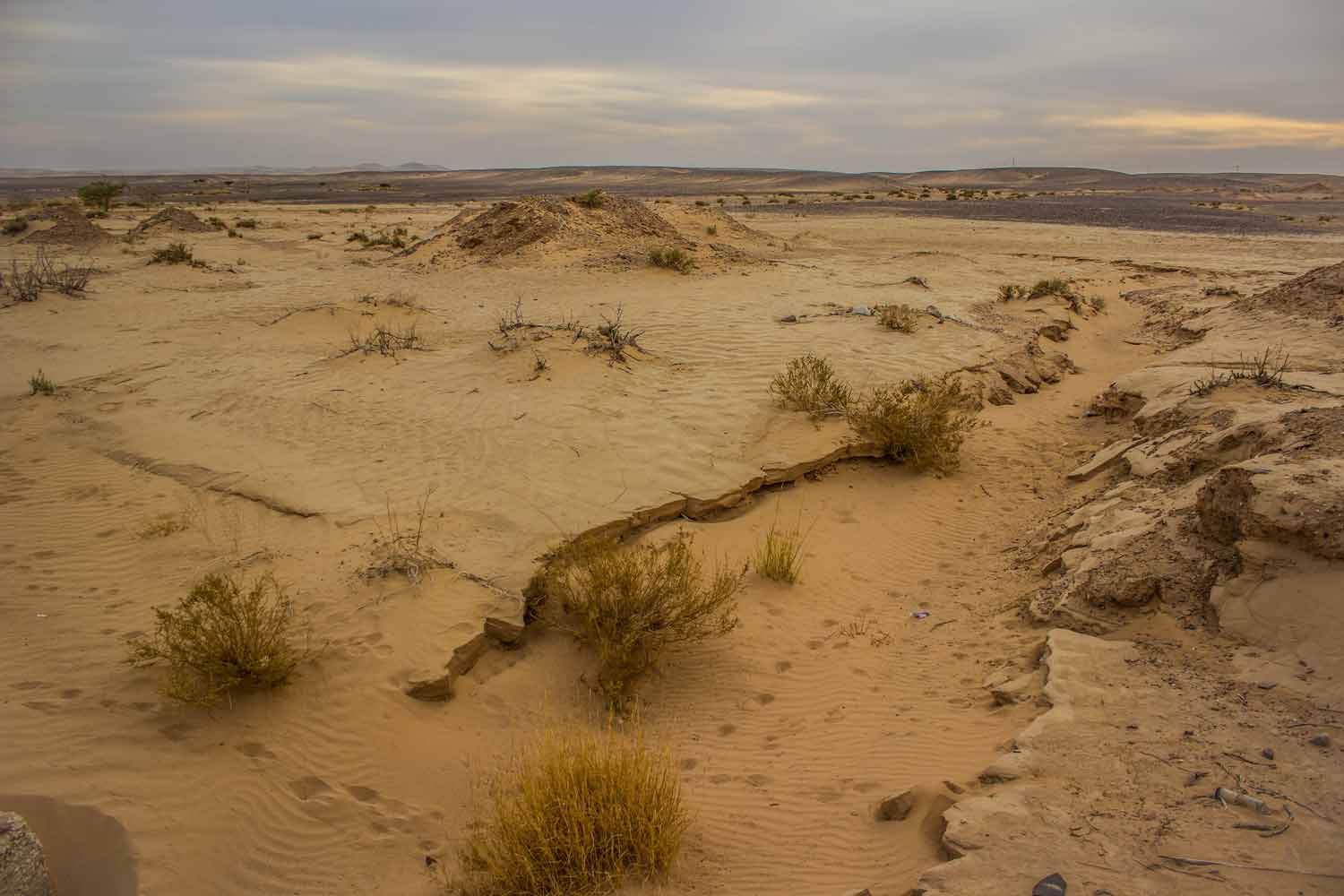
Image for illustration purpose only

When the rain did not come, insurance did
A $7.9 million (£5.84 million) payout, coordinated by WFP, is the first pay-out from the drought parametric insurance policy designed to act fast and predictably in the face of environmental shocks. Triggered in June by satellite-monitored rainfall and vegetation data, the policy covers critical agricultural areas in Syria. The payout ensures immediate assistance in the form of food assistance and essential supplies.
“This payout relating to Syria shows exactly why it’s important for Allianz to support charities like Humanity Insured, insurance is our business and can deliver when it’s needed most,” says Gabrielle Durisch, Chief Sustainability Officer at Allianz Commercial and Member of the Board of Trustees of Humanity Insured. "When drought hits, families often have to make impossible choices – like selling livestock, reducing meals or pulling children from school.’’
“We support Humanity Insured to ensure people don’t have to make those trade-offs. We're getting critical funding to communities. It's a fast, targeted way to help people.”
Insurance that prevents a crisis from becoming a disaster
Humanity Insured is a charity established to make insurance protection accessible to the world’s most vulnerable people – those living in regions affected by conflict, poverty, or extreme environmental risk.
Founded on the principle that no one should be driven into poverty by the growing threat of climate disasters, Humanity Insured funds grants that subsidize insurance premiums, giving at risk communities access to insurance that when triggered results in pre-agreed payouts, even in fragile states.
By partnering with leading humanitarian organizations and global insurers like Allianz, Humanity Insured makes pre-arranged finance a reality where it is needed most – ensuring that relief arrives to protect lives and livelihoods not after devastation, but before.
Allianz – a founding partner – brings funding and deep insurance expertise2. “This collaboration is part of Allianz’s broader commitment to strengthen resilience across communities by supporting innovative insurance models to real-world challenges like food insecurity, forced displacement, and climate volatility,” says Durisch.
Why Syria – and why now?
The humanitarian situation is dire in many developing countries, and Syria is one of the most vulnerable. A decade of civil war has left infrastructure in ruins, livelihoods shattered, and more than 3 million people suffering acute food insecurity. Now, the climate crisis is adding a cruel layer to the country's hardship.
Following the driest winter in 70 years and scorching summer heatwaves, the northeast of Syria is facing catastrophic agricultural failure. Crops have failed, wells are running dry and rural livelihoods are eroding fast.
“Rainfall is down by more than half, and in some areas, farmers have lost nearly all their crops,” says Khalid Osman, WFP Syria Deputy Country Director. “Wheat production is expected to fall short by 2.7 million tons. Soaring costs for feed and irrigation are putting enormous strain on rural families. This is more than climate shock; it is a livelihood crisis.”
“This first payout marks a turning point – not just for families in Syria, but for how we approach climate risk in the world’s most vulnerable places,” says Charlie Langdale, CEO of Humanity Insured. “It proves pre-arranged finance can work, even in conflict zones.”
Crisis meets innovation
The World Food Programme has long worked at the frontlines of crisis response – particularly in fragile and conflict-affected states. With 10years of scaling up its disaster risk financing operations, WFP brings extensive operational reach, local networks, and the technical capacity to deliver aid quickly and effectively.
Mathieu Dubreuil, WFP’s Lead Advisor for Climate & Disaster Risk Financing and Insurance, explains: “We are demonstrating that disaster risk financing instruments, and insurance in particular, are an efficient way to support food insecure communities with an early response to a catastrophic event, even in the most fragile contexts. This payout is a proof of concept that these instruments can prevent communities from being left behind when impacted by climate extremes.”
WFP’s involvement ensures that not only is the financial mechanism in place, but also that the relief reaches those who need it most – fast, and with dignity.
The future of aid is pre-arranged financing
While Syria’s challenges remain pressing, this first payout offers a glimpse into how climate risk financing can shift from reactive to proactive.
In a world of increasing climate extremes, insurance that meets the needs of vulnerable communities may become not just a financial product but also a frontline humanitarian tool.
1. Germany and the United Kingdom have contributed US$20 million to the World Food Program (WFP) via the World Bank's Global Shield Financing Facility. This pre-arranged mechanism is designed to enable countries to act early against climate threats. The funding will support the expansion of WFP’s climate and disaster risk financing cover in 23 countries, aiming to protect up to 4.6 million people from climate risks over the next two years. About Us | Global Shield Financing Facility
2. Allianz did not initiate or underwrite this specific policy.
Further information
More news
.jpeg)



About Allianz
Last updated: September 23, 2026
The Allianz Group is one of the world’s leading insurers and asset managers, active in almost 70 countries and serving around 97 million private and corporate customers*. Our customers benefit from a broad range of personal and corporate insurance services, including property, life and health insurance, as well as assistance services, credit and global business insurance. Recognized for the seventh consecutive year as the number one global insurance brand in Interbrand’s Best Global Brands 2025 ranking, Allianz’s success is built on technology-enabled customer centricity – providing peace of mind, protection, and prevention for our customers and strengthening the resilience of individuals, communities, and societies. We are one of the world’s largest investors, managing around 791 billion euros** on behalf of our insurance customers. Furthermore, our asset managers PIMCO and Allianz Global Investors manage about 2.2 trillion euros** of third-party assets. Thanks to our systematic integration of environmental and social criteria in our business processes and investment decisions, Allianz received an MSCI ESG Rating of AAA (as of March 2026). In 2025, our 156,000 dedicated employees achieved a total business volume of 186.9 billion euros and an operating profit of 17.4 billion euros for our shareholders.
* As of December 31, 2025. Customer count reflects Allianz customers in consolidated entities that are part of the customer reporting scope only.
** As of June 30, 2026.
Cautionary note regarding forward-looking statements
As with all content published on this site, these statements are subject to our cautionary note regarding forward-looking statements: