Extreme heat safety is becoming everyone’s business

Heat is no longer confined to summer – it is increasingly shaping life on Earth. When it turns extreme, hospital admissions rise, runways soften, rails warp, and power grids strain as cooling demand spikes.

As temperatures climb – and stay high overnight – the risks stack up and spread. Cities trap heat, and supply chains built for cooler decades show their limits. For individuals and businesses, extreme heat raises two questions: how does heat disrupt day-to-day life? And how can insurance help?

This touches how you plan to travel, care for vulnerable people, schedule work, store medicines, cool your home and keep operations running. Discover how to prepare and protect yourself, your business, and your loved ones. 

“Prolonged periods of extreme temperatures and increasingly frequent and severe heatwaves have ushered in an age of ‘global boiling’.”
Christopher Townsend, Member of the Board of Management, Allianz SE
Chris Townsend

In the summer of 2022, an estimated 2022, an estimated 61,672 people in Europe died due to heat, with similarly high tolls again in 2023 and 2024. Heatwaves increasingly threaten the most vulnerable, such as infants and older adults, by exposing them to longer and more intense periods of extreme temperatures. In the United States, analysis finds that heat-related deaths rose from 1,069 in 1999 to 2,325 in 2023 – a 117% increase – and likely an undercount.

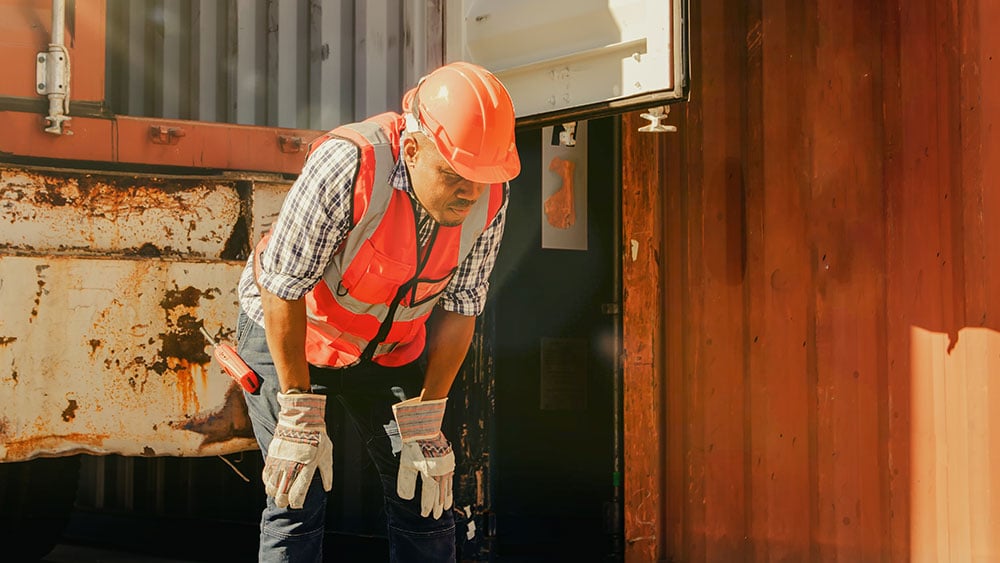
Workers slow or fall ill in extreme heat, goods spoil, data centers overheat and schedules slip. Allianz Research estimates that the 2025 heatwaves could shave 0.5% off Europe’s GDP, 0.6% in the US and 1.0% in China, with country losses from 0.1% in Germany to 1.4% in Spain; one day above 32°C is roughly equal to losing half a workday across the economy. 
At Allianz, our experts are exploring ways to factor extreme heat considerations into our offerings to best prepare clients and minimize damages. Learn more about two notable examples below:
Extreme heat is changing how companies work – and commercial insurance must adapt to meet these new challenges. Learn more in an article featuring Lena Fuldauer, Head of Resilience and Business Development at Allianz Risk Consulting, about how Allianz is helping our clients build resilience to these emerging risks.
 
Cities around the world are under stress from increasing heatwaves. How are real-estate investors adapting and harnessing new technologies to address these risks? In a Q&A, Raphael Mertens, Head of Sustainability at PIMCO Prime Real Estate, provides an insight into the future of heat-resistant, climate-conscious management that protects tenants and preserves long-term value.

Heat strains the body’s cooling system. When air temperatures climb past about 30°C (86°F), especially with high humidity or warm nights, the heart works harder to push blood to the skin, sweat rates rise, and fluids and salts are lost.

If heat builds faster than the body can shed it, dehydration and heat stress can follow. Risks include cardiovascular, respiratory, and renal problems and can tip vulnerable people into medical emergencies.

Who is most at risk
Older adults, infants, pregnant individuals, those with chronic heart, lung or kidney disease and outdoor workers.

What to watch and what to do
Prevention and smart protection work together: cool the person, cool the place, and slow the pace when heat builds.

For individuals

icon showing an avatar with a heart
  • Check official heat alerts: such as local meteorological service apps, and plan accordingly around extreme heat warnings.
  • Pack for heat when going out: take a wide-brim hat, UV-protective clothing, sunglasses, sunscreen, electrolyte salts, light scarf for improvised shade/cooling.
  • Consider high-risk locations and times when planning activities: schedule exertion outside peak heat, typically before 11:00 and after 19:00, and hydrate appropriately.
  • Use the 30/30 rule for activity: 30 minutes of exertion → 30 minutes of cool-down in shade or indoors when temperatures spike.
  • Protect infants, older adults & pets: never leave anyone in a vehicle. Prioritize air-conditioned transit and take frequent cool stops.
  • Health coverage can provide emergency assistance, including for heat-related illness.

icon showing a traveler's suitcase
  • Keep an eye on travel plans: heat can make plans more vulnerable to disruption from wildfires, grid failures and transport restrictions.
  • Mind your meds & conditions: some drugs (diuretics, antihistamines, beta-blockers) and health conditions reduce heat tolerance – consult your doctor before travel.
  • Book ‘first in’ or late slots for marquee attractions; build buffer time for trains/river trips that may slow or reroute in heat. Marquee sites like the Acropolis in Athens and those in Rome and Florence now have midday closures on red-alert days.
  • Choose cooling-ready lodging: confirm your lodging has ventilation, fans, or air conditioning. Check for appropriate shading and blackout shades. Ask about backup power in grid-stress regions.
  • Adjust travel logistics: prefer early/late flights, refillable water bottles; download offline maps (phones can overheat and throttle GPS).
  • Keep documentation for claims: keep operator notices, screenshots of alerts, and receipts if heat causes carrier delays or cancelled tours.

icon showing a business case
  • Business continuity plans: treat extreme heat as a core scenario using a heat index such as the Wet-Bulb Globe Temperature or Universal Thermal Climate Index with tiered triggers (extra breaks → rotation → stop-work).
  • Design the workday for heat: shift heavy tasks to early/late, shorten duty cycles at peaks, stop lone working, and set no-go rules for traveling staff on red-alert days.
  • Rest-shade-hydrate: organize cool, shaded, or ventilated break areas. Ensure water and electrolytes are on hand. Prompt hydration every 15-20 min during physical work.
  • Gear & environments: provide lightweight/UV-rated clothing, cooling vests where needed. Maintain HVAC/dehumidification, spot-cool hot zones, and add temp/heat-index sensors with alerts.
  • Train, respond, improve: plan supervisor training on heat-illness signs and EMS call criteria. Provide oral rehydration salts/cold packs on site. Make contractor compliance mandatory and log heat incidents to refine thresholds.

  • Property, casualty and speciality solutions address damage, liability and business interruption. Specific endorsements can clarify contingent business interruption coverage related to extreme heat for suppliers, logistics nodes and utilities.
  • Life and Health products support access to care during heat events. They can include telemedicine and guidance when local systems are overloaded.
  • Parametric options can pay out when heat exceeds agreed thresholds – useful for outdoor workforces, events, retail, agriculture and cold-chain-dependent businesses.
Do you have any questions or need additional support?