As with all content published on this site, these statements are subject to our cautionary note regarding forward-looking statements:
Europe’s raw material challenge: Metals, minerals and the green transition
In the ongoing battle to reduce carbon emissions and mitigate the effects of climate change, metals and minerals such as lithium, cobalt and nickel will play an increasingly vital role. These raw materials are required for the production of renewable energy technologies and energy storage solutions. Lithium-ion batteries are the primary technology used for energy storage in electric vehicles and renewable energy systems (such as solar and wind farms), while cobalt and nickel are used in wind turbines, solar panels, and other green energy systems to improve efficiency and performance.
In 2022, the market size for such metals and minerals soared to USD 320 billion, and according to the IEA, it is projected to at least double by 2040. As the demand for these crucial raw materials continues to rise, competition for their acquisition intensifies. This challenge is further amplified by the fact that these valuable resources are concentrated in only a few countries (with China dominating the field), potentially leading to geopolitical risks, including the risk of cartelization.
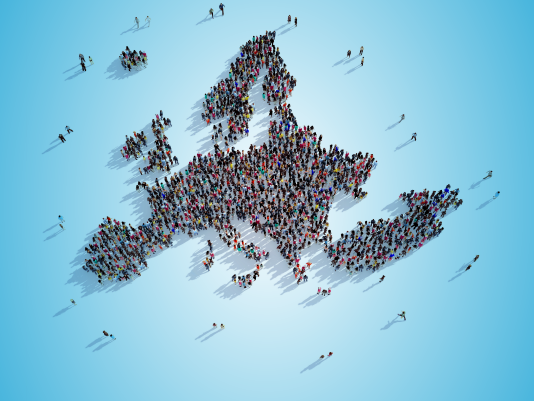
Europe, not on the map of dominant, mineral-rich regions, and with limited presence in leading supply chain firms, could face significant challenges in ensuring a stable supply of critical raw materials; diversifying import dependencies will be crucial. Can Europe’s Critical Raw Materials Act close the gap and reduce the region’s exposure to dependencies and trade wars between other nations? The latest report by Allianz Research suggests the EU should support a favorable trade-policy environment and diversify global supply chains through strategic partnerships with resource-rich countries.
Learn more about a future powered by metals and the key takeaways for Europe in the full report.