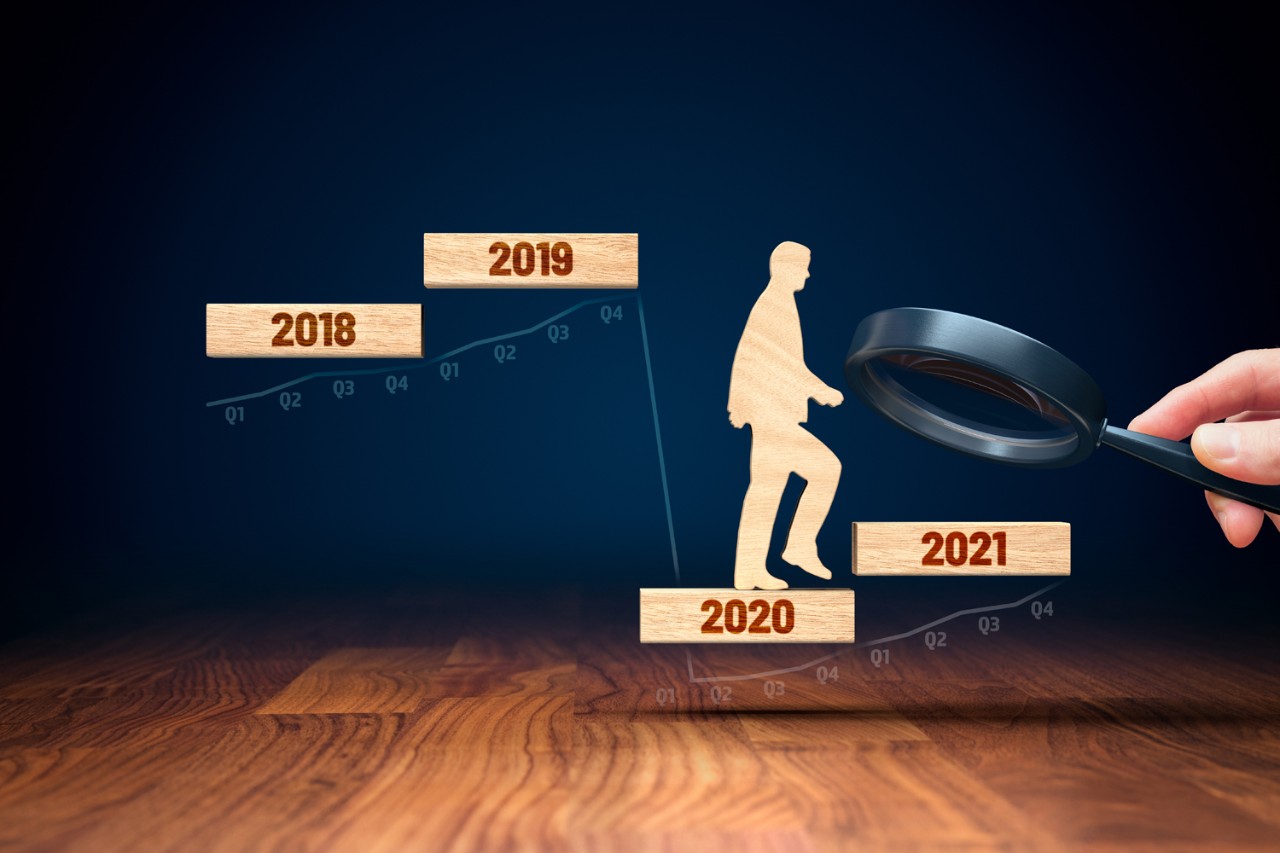
Not knowing the financial basics costs people not only self-confidence, but also a lot of money 

Low financial literacy could be costing the average household from EUR 1,750 in Spain to EUR 4,740 in the USA every year, according to a new study by Allianz. Over a ten year period, this could amount to between EUR 22,500 Euro (Spain) and EUR 79,300 (USA) compared to households lead by people who really understand financial basics. The study surveyed more than 1,000 people each in the United States of America, United Kingdom, France, Spain, Italy, Germany and Australia, asking them a series of questions designed to test their understanding of financial basics, such as interest rates, inflation, and investment risks and returns. 

Worryingly, the results reveal that more than a quarter or 26% of respondents lack the knowledge and skills to make sound financial decisions – what Allianz classes as 'low financial literacy'. Meanwhile 60% are averagely financial literate and only 15% demonstrate high financial literacy. This is roughly similar to all countries surveyed. Interestingly, two-thirds (66%) of all people polled worry that they know less than the average investor about financial markets and investing. 

But what kind of money could a broader financial knowledge actually add to a households’ budget? Based on the amount of financial assets owned by the average household, Allianz calculates that the difference in income from any kind of investment can quite dramatically differ between people with low, average and high financial literacy. A person with high financial literacy can expect to earn an extra between EUR 1,910 (in Spain) and EUR 5,000 (in the USA). 
“Low financial literacy really hurts," says Ludovic Subran, chief economist at Allianz. “In fact, over long investment periods, like when saving for retirement, it can literally cost you a fortune. But the good news is that making smart financial decisions is not rocket science. By acquiring basic knowledge and skills, people can move from low to average financial literacy and put a lot more money in their pockets."

Given the challenging economic climate, the study also asked participants for their views on their financial future. While about seven out of ten people polled across markets rate the economic outlook for their country as fairly bad to very bad, a significantly lower proportion (49%) of people with average financial literacy say the same about their own individual economic prospects. Compared to that about 10% with very high finance-skills feel very confident about their financial situation.

This lack of confidence is especially notable among women, with a cross-market-average of 66% not confident about their financial situation. Across markets polled on average more women were also found to exhibit low financial literacy than men (30% of women versus 20% of men) – except for Germany, the only country where women are on average more financially literate than men. Interestingly, across markets women were more likely to answer 'don’t know' to one or more of the financial literacy quiz questions. This also suggests low faith in their financial knowledge and decision-making.  

It is a similar story for the generational divide too. The study shows financial knowledge and skills increase with age, with a higher concentration of highly financially literate people among Baby Boomers (21%) than Gen Z (6%) and Millennials (11%) put together.

“Typically, financial literacy programmes concentrate on boosting numeracy skills, but financial literacy is more than mathematics," says Patricia Pelayo Romero, Senior Economist at Allianz and co-author of the study. "Any successful financial literacy intervention, particularly those catering to women and young people, should start with confidence building.”

To help fill the financial literacy gap and create a level playing field for everyone, Allianz has launched an online Financial Literacy hub. There, people can find easy-to-understand information and explainers, use interactive budgeting tools and register for free coaching from Allianz experts. For more information, see: Financial Literacy hub.
In addition, Allianz recently launched The Squared Ball, a campaign to shine a light on the challenges faced by female footballers and help talented young players achieve their goals with confidence and financial know-how. For more information, see: https://www.allianz.com/squared-ball.

Media contact

Lorenz Weimann
Allianz Investment Management SE

Further information

Restarting tourism: Are we ready to travel?

With the summer of 2021 ahead of us, we look at the emerging post-Covid-19 travel trends and the various ways in which travelers' behavior changed. How fast will the tourism industry bounce back and support its customers? Allianz Research takes a closer look at the European accommodation industry’s road to recovery…

Allianz Pulse 2021: Unity after adversity?

Despite underlying tensions over a host of issues, the European Union came together remarkably well to deal with the Covid-19 crisis. Has the adversity changed perceptions about EU solidarity? Allianz takes the pulse in France, Germany and Italy…

Economic Outlook 2021: Back to business

In fits and starts, the wheels of the global economy are beginning to turn again. But will the grand reopening also be great? Patchy, more like it...shaped by vaccine security, regional politics, the use of excess savings and supply-side bottlenecks, among other factors. In its latest economic outlook, Allianz Research identifies some likely trends this year.

As with all content published on this site, these statements are subject to our cautionary note regarding forward-looking statements: