Africa’s journey to net-zero: USD7 trillion just for energy

The green energy transition is a once-in-a-lifetime opportunity for African development, a chance to reduce poverty and lift growth potential. To reap this opportunity, there are three levers to pull: strengthening political stability and the rule of law, reducing project risks by adopting blended finance, and formulating clear green-energy strategies backed by economy-wide transition plans with sector-specific pathways. This paper aims at the last point, providing guidance for governments and investors alike. 

Limiting global warming to the Paris target of 1.5°C will require USD200bn of investments in the African energy system per year, by 2030, followed by USD370 billion per year, by 2050. In total, the investment opportunity adds up to just over USD7 trillion between 2020-2050. 

On that journey to net zero, two subsectors are pivotal. First, Africa’s electricity-production capacities will have to increase tenfold by 2050, requiring USD110 billion of investment per annum as early as 2030, which then would need to increase to USD190 billion in 2050 to meet the goal of limiting the global temperature increase to 1.5°C. Second, yearly investment needs in the African hydrogen market will have to reach USD 2-3 billion per year in 2030 and USD4-9 billion in 2050. African countries feature a promising combination of resources, coastal access and favorable location, positioning the continent as a potential central hub for the hydrogen-based global economy. Note that hydrogen investments in Nigeria are set to be significantly higher than in most other major African economies and will already reach USD2 billion in 2040. 

Related information

"Africa's journey to net-zero: USD7trn just for energy"
Please also check out the Sectoral Assessment of Multiple Emission Pathways, set up by Allianz Economic Research:

The Allianz Group is one of the world’s leading insurers and asset managers, active in almost 70 countries and serving around 97 million private and corporate customers*. Allianz customers benefit from a broad range of personal and corporate insurance services, ranging from property, life and health insurance to assistance services to credit insurance and global business insurance. Allianz is one of the world’s largest investors, managing around 764 billion euros** on behalf of its insurance customers. Furthermore, our asset managers PIMCO and Allianz Global Investors manage about 2.0 trillion euros** of third-party assets. Thanks to our systematic integration of ecological and social criteria in our business processes and investment decisions, we are among the leaders in the insurance industry in the Dow Jones Sustainability Index. In 2025, over 156,000 employees achieved total business volume of 186.9 billion euros and an operating profit of 17.4 billion euros for the Group.

* Customer count reflects Allianz customers in consolidated entities that are part of the customer reporting scope only.

** As of December 31, 2025.

As with all content published on this site, these statements are subject to our cautionary note regarding forward-looking statements:

Capital markets fight against climate change

The dummy UN-Convened Net-Zero Asset Owner Alliance (AOA) released the second edition of its Target Setting Protocol (TSP) in January 2022. The TSP guides members in setting climate targets aligned with keeping global warming below 1.5°C. Allianz SE board member Günther Thallinger is Chair of the Asset Owner Alliance (AOA). 

Fighting for a future free from plastic pollution

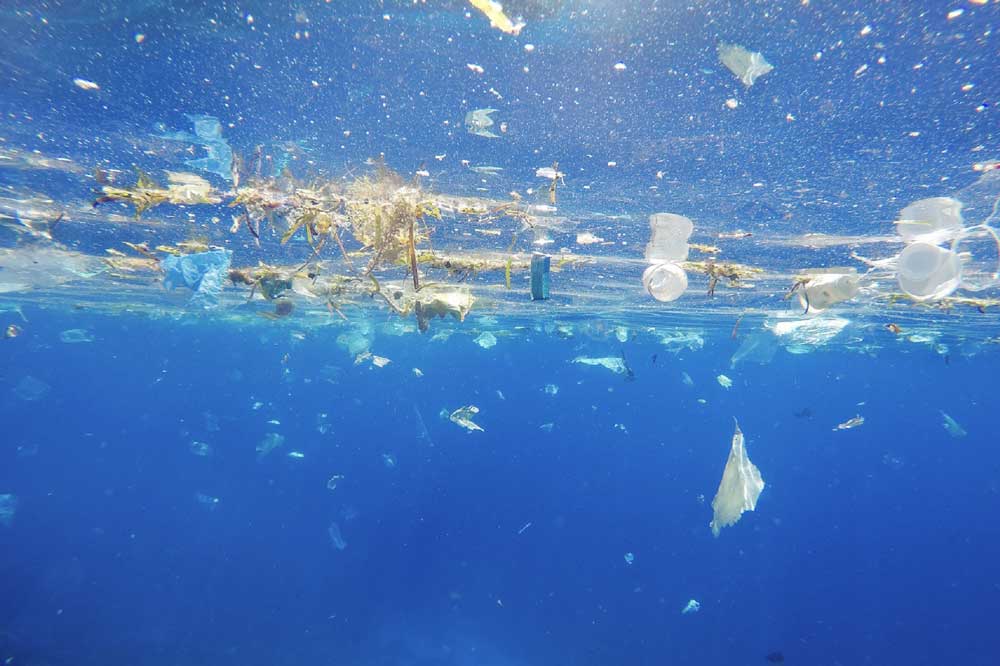
Plastic is a threat to our oceans and seas. All life on earth depends on these important ecosystems. Action is urgently needed by governments, the business community and consumers to reduce to harm to our planet.

Günther Thallinger joins new United Nations Advisory Council focused on accelerating climate action

Allianz is pleased to support the announcement by UN Secretary-General António Guterres regarding the launch of the High-Level Expert Group on the Net-Zero Emissions Commitments of Non-State Entities (HLEG). The Group consist of 16 experts. Günther Thallinger, AZ SE Board Member, is one of these experts.